Want to be crowned the UK’s first Town of Culture? Look to your small businesses

Small businesses are at the heart of what makes a town feel alive. Their everyday work shapes communities, connects people, and builds the pride that the new UK Town of Culture competition aims to recognise.
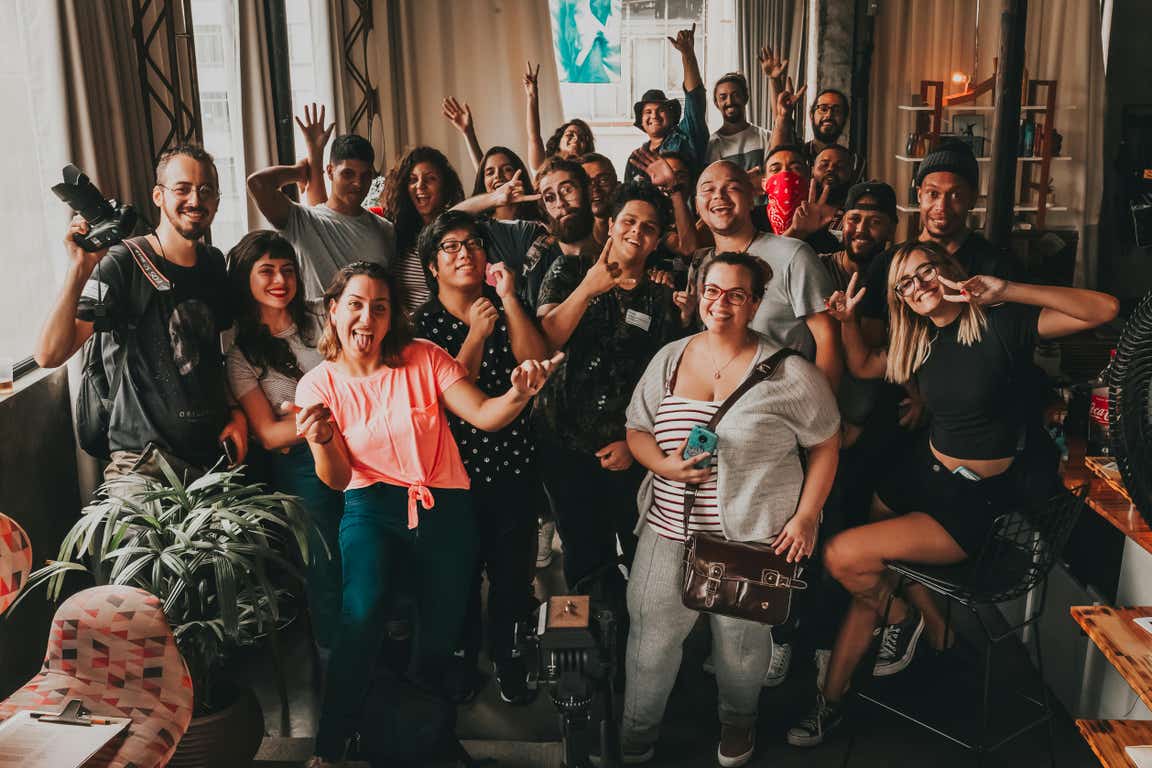
When a local shop, café, or studio thrives, it doesn’t just succeed as a business, it strengthens the fabric of the community.
Restoring “pride” in communities is a common political ambition. The phrase sounds inspiring, but it’s also somewhat abstract, an objective with hard-to-define outcomes. It can’t be easily quantified.
What’s more, pride isn’t something that can be dictated from the top down. Genuine local pride emerges from everyday life: the people, businesses, and services that keep a town running and make it feel lived-in. It’s organic, incremental.
Now, the towns built on these qualities are being encouraged to grab a well-deserved moment in the spotlight (as well as a significant cash injection).
The newly announced UK Town of Culture competition is designed to formally recognise the everyday contributions that build and sustain a town’s cultural identity.
Inspired by the success of the UK City of Culture programme, the Department for Culture, Media & Sport (DCMS) competition will award one town £3 million to deliver a major cultural programme in 2028, with two further finalists receiving £250,000 each.
But, beyond the headline figures, the competition’s real emphasis is on partnership, participation and place. And, crucially, DCMS isn’t just looking to councils or cultural institutions to lead the charge.
Its guidance makes repeated reference to collaboration with local businesses, voluntary organisations and social enterprises, and to communities being actively involved in shaping what happens in their area.
That matters, because in towns up and down the country, SMEs are already doing this work: not because they’re seeking awards or recognition, but because it makes their communities feel welcoming and connected.
How SMEs can get involved from the outset
Even though businesses can’t apply directly — the councils themselves must submit the official bid — there are practical ways for small businesses to be central to their town’s campaign:
Engage with your local council or bid team early. Offer input, ideas, or evidence of the community role your business plays.
Host events, workshops, or activities that showcase your local culture and bring people together.
Collaborate with other local businesses to highlight the town’s unique character and vibrancy.
Provide stories, images, or other content that can be used to demonstrate the town’s cultural identity in the bid.
For small business owners, participation offers clear rewards. Alongside strengthening their town’s chances of being shortlisted, it creates opportunities for greater visibility, new connections, and recognition as a cornerstone of the community.
The everyday engine of towns
For many independent businesses, being part of the local fabric is how they thrive. Success often depends on the relationships they build, the trust they earn, and the ways they connect with their community.
That can mean becoming vocal advocates for their area: championing local suppliers, celebrating regional identity, and creating spaces where people feel they belong. These aren’t soft extras: they are, increasingly, the unique selling points that differentiate small businesses from national chains or online alternatives.
SMEs are central to cultural placemaking, not because they set out to be symbols of ambition, but because their everyday activities can help shape the character of their towns.
Think about your favourite town – the one you’re always excited to return to. Chances are, you’ve got a favourite bookshop, café, pub, or restaurant there. These are the places that help give a town its energy, create spaces where people gather, and make a community feel welcoming and dynamic.
A chance for SMEs to shine
When a local shop, café, or studio thrives, it doesn’t just succeed as a business, it strengthens the fabric of the community. The UK Town of Culture competition offers a framework to recognise and amplify that contribution.
Research from the UK City of Culture programme shows that more than 70% of attendees felt a greater sense of pride in their place after taking part in events, with benefits lasting well beyond the title year. DCMS expects similar outcomes for towns, including stronger community partnerships and greater participation in cultural life.
The everyday infrastructure that small businesses provide is essential for these outcomes to take hold. And, at the same time, participating in a Town of Culture bid could give business owners a more defined role in shaping the future of their town, turning informal community supporters into recognised partners.
Celebrating contribution, not expectation
There’s a risk, of course, in overly romanticising small businesses, or loading them with expectations they never asked for. Not every café owner wants to be a cultural ambassador, after all.
But the Town of Culture model doesn’t demand that everyone plays the same role. Instead, it invites towns to reflect honestly on who already carries civic pride, and how they can be supported, rather than stretched.
Culture Secretary Lisa Nandy has described the competition as a chance for towns to “make a real difference to their local community”. If that ambition is to be realised, it’ll depend less on grand statements, and more on the people and businesses who already show up and make their presence felt day in, day out.
Across the UK, SMEs are already doing the quiet work of fostering pride in their communities. The UK Town of Culture competition won’t create that energy, but it can put it firmly in the public eye.
Want to learn more about the competition? All of the information you need can be found on the DCMS’ dedicated page.
About Joe Phelan
Joe is an experienced writer, journalist and editor. He has written for the BBC, National Geographic, and the Observer. As a business expert, his work frequently spotlights the ventures and achievements of small business owners. He writes a weekly insight article for money.co.uk, published every Tuesday.
View Joe Phelan's full biography here (opens in a new tab) or learn more about our editorial policy (opens in a new tab)