Six in 10 UK businesses investing in ways to cope with extreme heat

Rising temperatures are creating new operational challenges for UK firms, impacting everything from workplace comfort to profitability.
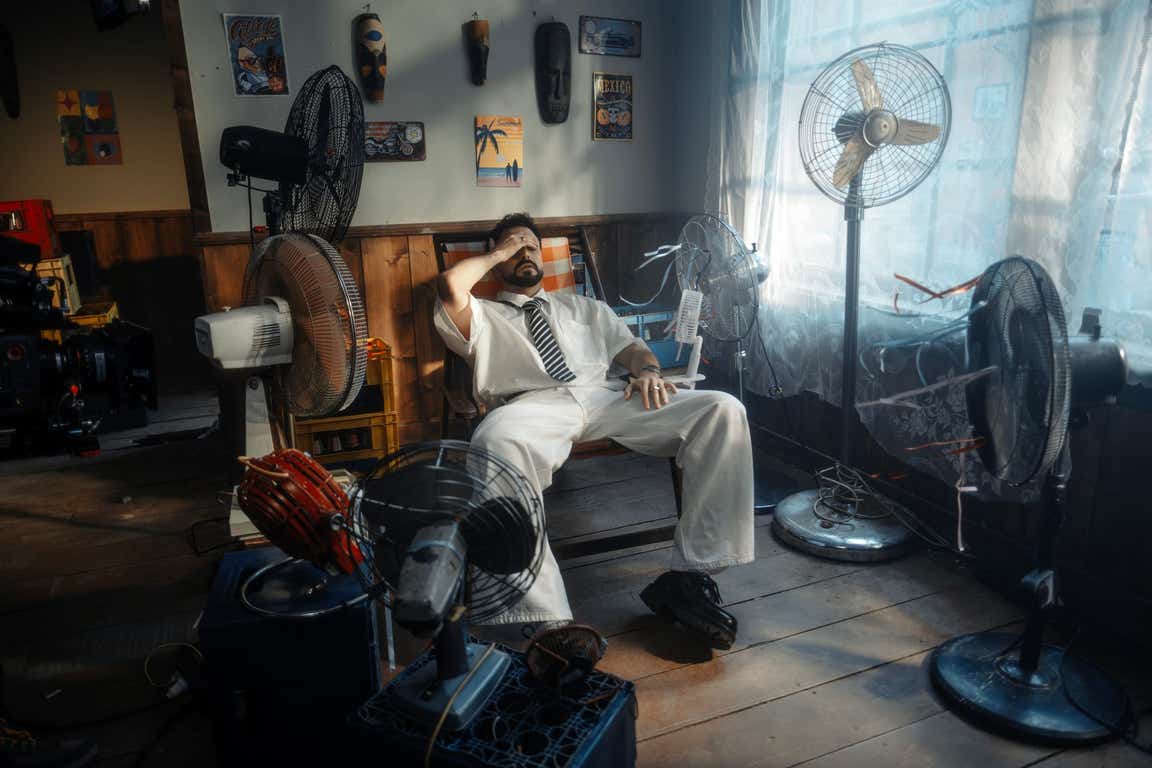
Research suggests shoppers see 25.1°C as the maximum comfortable temperature for shopping.
Extreme heat is becoming a bigger consideration for UK businesses, with six in 10 firms having either increased investment to adapt to higher temperatures or considering doing so.
That's according to recent Barclays research, which highlights how rising temperatures are becoming a practical business concern, affecting everything from employee wellbeing and productivity to customer footfall and the suitability of commercial premises.
Barclays found that businesses are considering a range of practical measures to cope with higher temperatures, from upgrading their premises to changing how and when their staff work.
Cooling equipment, including air conditioning and ventilation, is among the most common priorities, while many businesses are looking at energy efficiency measures to manage the additional energy use that comes with keeping buildings at an acceptable temperature.
When the heat affects sales
For small businesses that rely on customers visiting their premises, keeping the in-store environment comfortable could become an increasingly important part of ensuring a positive customer experience.
Research suggests shoppers see 25.1°C as the maximum comfortable temperature for shopping, so as hotter temperatures become more common, businesses may need to think carefully about how welcoming their premises are, and what can be done to keep them cool.
Barclays Property Insights recently found that 17% of households have bought portable air conditioning, while 11% have installed fixed systems for warmer weather. As people become more accustomed to cooling their own homes, it makes sense that their expectations for the shops, restaurants and other venues they visit could begin to shift.
Cooling, ventilation and energy efficiency can have a direct impact on how long customers stay, how much they spend and whether they come back, making them an increasingly important consideration for customer-facing businesses. As hotter periods become more common, keeping premises agreeable could become a key part of maintaining a competitive advantage.
The productivity problem
Extreme heat isn't only a problem for businesses trying to keep customers comfortable; it can also make it harder for employees to work effectively.
Barclays research found that 27% of small and micro businesses said hot weather had negatively affected productivity. And the issue could become more widespread in the years to come, with 52% of Britons saying they expect extreme heat to affect their ability to work effectively within the next decade.
The potential economic impact is already significant. Research from the Office for National Statistics has found that days when temperatures reached 28°C or higher resulted in an average £1.2bn a year in lost economic output between 1998 and 2021. With hotter days expected to become more frequent, that economic cost looks set to become even greater.
For a small business, even a relatively small drop in productivity can have a noticeable impact. Fewer hours worked effectively can mean delayed orders, slower customer service or simply less work getting done. For SMEs, that could mean changing working hours, introducing more breaks and/or improving workplace cooling to minimise the impact.
Planning for hotter summers
Small firms don't necessarily have to fund every adaptation measure from their existing cash reserves. Government-backed grants and local authority assistance may be available to help businesses make improvements, although eligibility and availability vary.
Where grants aren't available or don't cover the full cost, a business loan could be an option. A loan can enable a business to spread the cost of improvements such as cooling systems, ventilation or energy efficiency upgrades over time, rather than paying for everything upfront.
With extreme heat set to become a routine challenge, planning ahead will be crucial for small businesses that want to protect their people, premises and profits.
About Joe Phelan
Joe is an experienced writer, journalist and editor. He has written for the BBC, National Geographic, and the Observer. As a business expert, his work frequently spotlights the ventures and achievements of small business owners. He writes a weekly insight article for money.co.uk, published every Tuesday.
View Joe Phelan's full biography here (opens in a new tab) or learn more about our editorial policy (opens in a new tab)