What Andy Burnham’s “local first” premiership could mean for small businesses

Burnham’s transition to Prime Minister signals a shift away from Westminster-centric economic policy. Here’s what that could mean for SMEs.
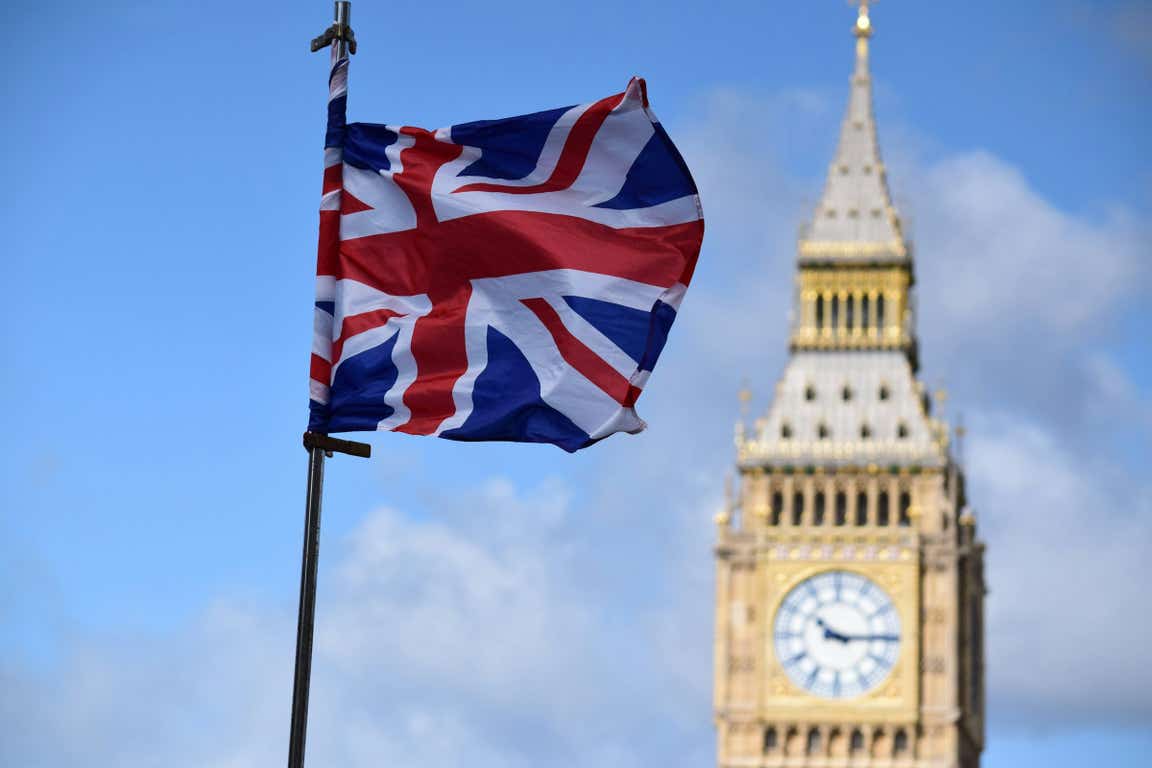
During his time as Mayor of Greater Manchester Burnham argued that regions should have more power to shape their own futures.
Andy Burnham has officially become Britain’s seventh prime minister in a decade. Entering Downing Street following Sir Keir Starmer’s resignation, the former Greater Manchester mayor faces the immediate challenge of managing a fragile economy while addressing the expectations of the UK's 5.6 million small businesses.
In his first address upon taking the reins, Burnham rejected the idea that long-term social and economic challenges take decades to fix, promising instead to build a “preventative state” that isn’t controlled entirely out of Westminster.
For small businesses up and down the country, this transition from a centralised approach to a regional one is likely to be the defining feature of the new administration's economic policy.
Local affections
Burnham’s first major act in office was launching an urgent national drive to end rough sleeping, and the way it is set to be delivered offers an early insight into how his government is likely to operate.
Rather than being managed from London, the programme will place councils, metro mayors and local leaders at the centre of delivery. This focus on local decision-making has been a consistent theme throughout Burnham’s political career, and is unlikely to change.
During his time as Mayor of Greater Manchester and throughout his leadership campaign, Burnham argued that regions should have more power to shape their own futures, including how they support businesses and drive economic growth.
He has previously pointed to several areas where this could have an impact:
High streets: Burnham has suggested he will give local areas more power to improve high streets and support independent businesses, including the pubs and shops that help communities thrive.
Skills and apprenticeships: He has pledged to grant local areas more power to build an education system that balances academic and technical paths, aimed at aligning local work placements and apprenticeships with regional business needs.
No 10 North: He also plans to establish a secondary prime ministerial office in Manchester to bring regional priorities directly into the centre of government decision-making.
Targeted relief for the high street
Independent retailers, pubs, and hospitality venues have faced prolonged pressure from inflation and changing consumer habits. Burnham has positioned himself as a “pro-business leader,” specifically highlighting independent shops and pubs as vital to community infrastructure.
Alongside his focus on regional decision-making, Burnham has previously highlighted business rates as an area where change could make a difference for smaller firms.
He has pledged a 20% business rates cut for pubs, clubs and music venues, alongside plans to raise the business rates threshold for smaller independent hospitality, leisure and retail firms.
Burnham has also stated he will honour the 2024 Labour manifesto commitments not to raise VAT, income tax, or National Insurance. However, he has noted that there is “some room” within that manifesto for movement on tax, so this is something to keep an eye on.
Public procurement
Government procurement represents a substantial commercial market, but small businesses have historically faced barriers when bidding for contracts, with independent firms often unable to compete with larger corporations with dedicated bidding departments.
During his leadership campaign, Burnham pledged to reform access to public sector contracts specifically to address this imbalance. He said that he will aim to lower the administrative barriers to entry, making it easier for smaller firms to bid for local authority and public service work.
He has framed procurement reform as a tool for regional economic growth, but it remains to be seen how these intentions will be converted into concrete legislative changes.
Burnham’s first weeks in office are likely to place local decision-making at the centre of his approach to government. For small businesses, the significance of this will, of course, depend on how that principle translates into policy.
About Joe Phelan
Joe is an experienced writer, journalist and editor. He has written for the BBC, National Geographic, and the Observer. As a business expert, his work frequently spotlights the ventures and achievements of small business owners. He writes a weekly insight article for money.co.uk, published every Tuesday.
View Joe Phelan's full biography here (opens in a new tab) or learn more about our editorial policy (opens in a new tab)