Meet Henri: the CEO determined to make pet insurance simpler, fairer, and more human

Waggel wants to make pet insurance easier to understand and more focused on real-life care for pets and their owners.
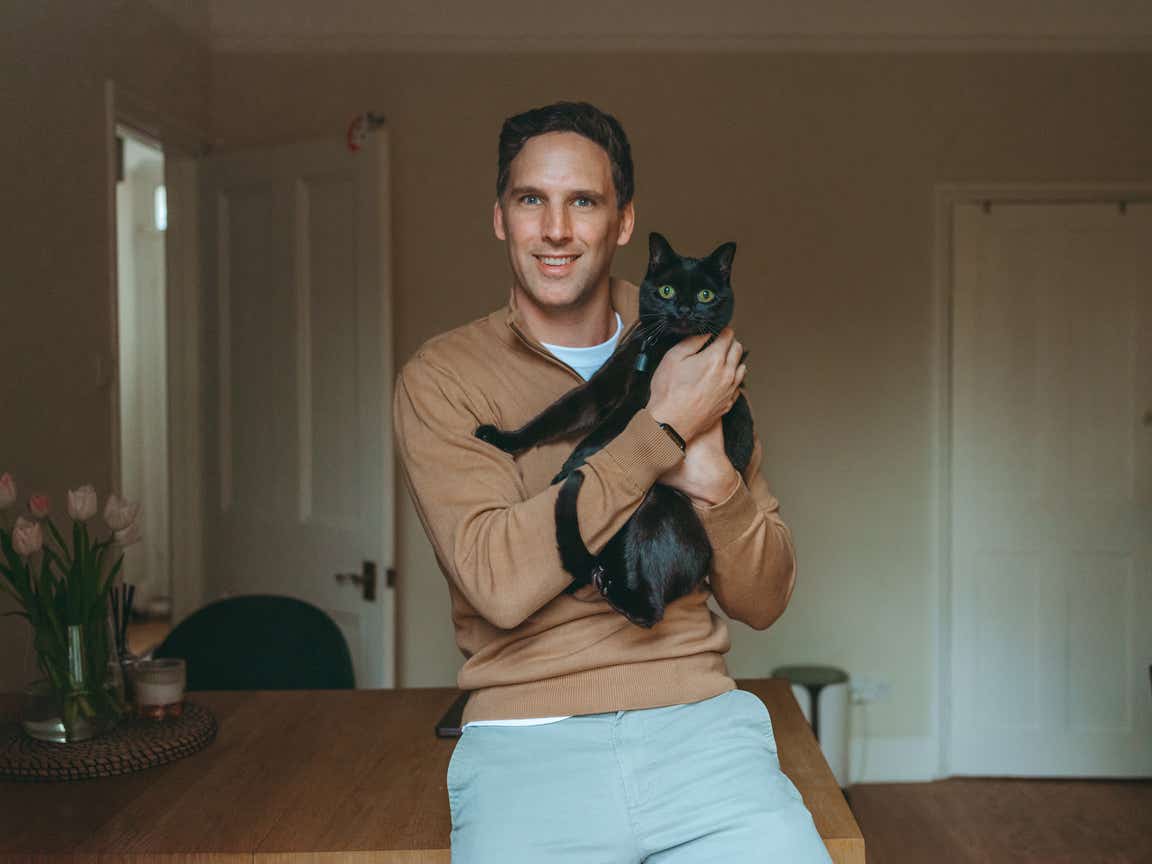
Waggel wants to make pet insurance easier to understand and more focused on real-life care for pets and their owners.
Business name: Waggel
Industry: Pet insurance
Founded in: 2018
Top business products: Business banking and business insurance
Key learning: “Take the time to find the right partners and build the business in a measured way, rather than chasing growth at any cost.”
When Waggel was founded in 2018 by Andrew Leal and Ross Fretten, the pair believed pet insurance had become unnecessarily complex, written in dense legal language, with opaque claims processes that left owners unsure what was actually covered when their pets needed help most.
From the start, the Waggel team has set out to rebuild that experience around clarity and care. That means policies explained in plain English, lifetime cover as standard, and tools designed around how pet owners actually live and make decisions.
Today, Waggel is also evolving beyond traditional insurance. Alongside simplifying cover and claims, the business is increasingly focused on preventative care, using technology and veterinary insight to help keep pets healthier for longer and reduce avoidable trips to the vet.
We spoke to Henri Dowling, who took over the role of CEO from Andrew Leal in early 2026, to discover how he is continuing to evolve Waggel’s approach to pet insurance.
What first made you feel pet insurance needed rethinking, and what gaps did Waggel exist to solve when you joined the business?
Waggel was built on the belief that there was a gap in the pet insurance market. A lot of policies can be complicated and difficult for owners to understand, and there’s a clear opportunity to do things differently.
Since we launched, the focus has been on making pet insurance simpler and fairer, whether that’s through policies that work for real life, a straightforward claims process, or customer support that’s there when people really need it. Now, that work is expanding into preventative care, exploring how we can help improve the everyday health and wellbeing of pets, as well as the people who care for them.
Waggel talks a lot about being “human” and simple. How did you design the business and policies differently from traditional insurers to deliver that experience?
We’re all about cutting through the rigid reputation of insurance and offering something that’s genuinely caring, easy to navigate, and built around customers’ real needs. That starts with making policies simple to understand, with straightforward excesses and annual limits set by the customer to suit their budget and their pet’s needs.
We also only offer lifetime cover, meaning we continue to cover a pet’s medical conditions for life, as long as the policy is renewed each year.
A key part of the experience is our Customer Champion model. Every Waggel customer is assigned a qualified vet nurse who can interpret medical information, explain notes, and guide owners through what’s happening. That level of expertise and support makes a real difference when it matters most.
Assigning every member a dedicated Customer Champion who’s a qualified vet nurse is unusual for an insurer. Why was that personal touch so important to build into the model?
Medical diagnoses can be complicated, and deciphering vet notes is the last thing anyone wants to worry about when their pet is ill. Because our Customer Champions are all qualified vet nurses, they can cut through the medical language. It also means the people supporting our customers care as much about animals as they do, which makes a real difference when someone is navigating a claim for a sick pet.
As a digital-first company, how has technology helped you streamline things like claims, customer service and policy management compared to legacy providers?
We think technology allows us to be more human, not less. We use it for what it does best: streamlining processes, analysing data, and bringing everything together more efficiently.
We introduced AI chatbots at the start of 2025, and they now handle just over half (52%) of customer queries. We’ve also deployed an AI-powered vet triage service, which is proving incredibly popular. It gives customers 24/7 support and helps around 80% of users avoid needing to visit the vet.
These tools are already improving both the customer experience and outcomes for pets. There’s much more to come, particularly in speeding up claims decisions and giving customers faster resolutions.
Insurance is a heavily regulated and competitive space. What have been some of the biggest challenges in scaling Waggel, and how have you overcome them?
The first major challenge was securing an insurer to provide capacity for our product. Our investor, Correlation, was able to support this through their relationship with Red Sands, our current underwriter. That gave us a stable foundation to grow.
The second was funding. We spoke to a number of VCs, but Correlation’s experience in the space and long-term outlook ultimately made them the right fit.
Another challenge for any new insurance brand is data. Early on, you don’t have the same level of granular data as established players to price as accurately. We focused on sustainable growth, scaling carefully and building that data over time, which has allowed us to strengthen our pricing capabilities.
Overall, it’s been about taking the time to find the right partners and building the business in a measured way, rather than chasing growth at any cost.
Have any financial products or funding, such as business banking/savings, investment, loans, insurance, helped support Waggel’s growth? How have they made a difference?
We haven’t used any funding methods other than funding provided to us by our sole investor, Correlation, which has assisted us greatly in scaling. Other than that, we use traditional banking and insurance for our day-to-day requirements. As per our ethos, we like to keep things relatively simple.
What moments or milestones have made you most proud?
I only took up the role of CEO recently, so that’s my proudest achievement so far. But as a team, what we’re consistently most proud of is the feedback we receive from customers.
We have a channel where feedback, both positive and critical, is shared so we can act on it. It’s particularly meaningful when individual Customer Champions are recognised for helping someone through a difficult time with their pet.
For other founders building customer-first or purpose-led businesses, what lessons have you learned about balancing rapid growth with staying true to your mission?
We’ve always focused on the long-term impact we can have for customers and the longevity of the business over quick wins. That mentality will help you avoid a race to the bottom and help you focus on adding real value to your customers so they are still with you in five or 10 years’ time.
About Joe Phelan
Joe is an experienced writer, journalist and editor. He has written for the BBC, National Geographic, and the Observer. As a business expert, his work frequently spotlights the ventures and achievements of small business owners. He writes a weekly insight article for money.co.uk, published every Tuesday.
View Joe Phelan's full biography here or learn more about our editorial policy