A complete guide to second home insurance

Our guide explains what second home insurance includes, what cover you need, and how to find the best policy to protect your investment.
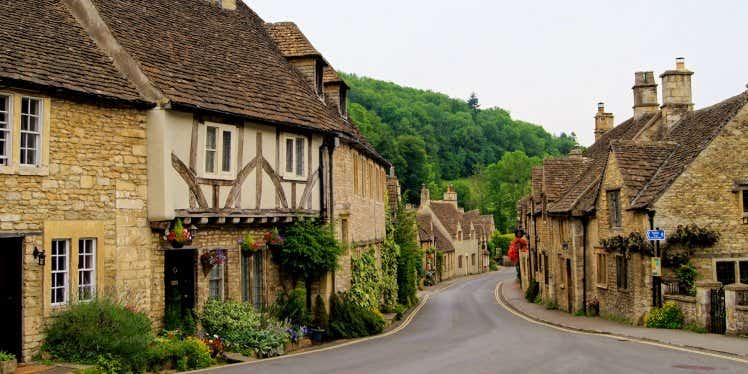
A second home is a property you own in addition to your main residence. This might be a house you let out to tenants, a renovation project, or a property used by a family member.
Getting the right insurance for your second home is important because standard policies often won't cover a property left unoccupied for long periods.
What is second home insurance?
Second home insurance is a specialist home insurance policy for a property that isn't your main residence.
It's important to note the difference between a second home (or holiday home) and a holiday let. A holiday home is used by the owner and their family, while a holiday let is rented out to paying guests. If you rent your second home out to paying guests, a holiday let insurance policy might be a better fit.
Second home insurance differs from standard home insurance as it's designed to cover the higher risks associated with properties that are offten unoccupied for long periods. For example, an unoccupied home is at higher risk of burglary or vandalism.
Standard home insurance won't cover a property that's left unoccupied for long periods - that's where second home insurance comes in.
Do you need insurance for a second home?
While second home insurance isn't a legal necessity, having buildings insurance as a minimum is often a requirement by mortgage lenders. This is to protect their financial interest in the property.
Without second home insurance, your property is at financial risk from damage, theft and liability. An unoccupied home carries an increased level of risk for these events, so buying second home insurance is a great way to protect your property financially.
Insurance for a second home is also a good idea if you're letting it to tenants. For example, if a guest is injured on your property, you could be held legally responsible. Liability cover in a homeowner's policy can help cover legal fees and medical expenses.
Insurance for a second home can also provide rental income protection. Specific landlord or short-term rental insurance policies can cover lost rental income if the property becomes uninhabitable due to a covered loss.
What does second home insurance cover?
There are two types of home insurance cover:
Buildings insurance: This protects the structure of your home.
Contents insurance: This protects your belongings inside the house.
Often you can take out a combined buildings and contents insurance policy. Insurers often give a discount when you buy both buildings and contents insurance as a single policy, making it generally cheaper than buying two separate policies.
A combined policy can also make it easier if you need to claim on your home insurance. In the event of a major incident like a fire or flood that damages both the structure of your house and your belongings, you only have to deal with a single insurer and make one claim. You'll also have only one policy to manage, which means one renewal date, one set of paperwork, and one payment schedule.
Buildings insurance can cover things like:
The structure: Walls, roof, floors, and any permanently fixed items like fitted kitchens and bathrooms.
Fixtures and fittings: Things like built-in wardrobes, baths and sinks.
Permanent outbuildings: Garages, sheds and fences that are part of the property.
Damage from specific events: Fire, storms, floods, earthquakes, vandalism and accidental damage to pipes and drains.
Temporary accommodation: This can cover the costs for a place to stay if your home is uninhabitable after a claim.
Whilst contents insurance typically includes:
Personal possessions: Furniture, electronics like TVs and computers, clothing, jewellery, and other personal belongings inside your home.
Flooring: Carpets and movable rugs are typically covered under your contents insurance policy. But fixed flooring, like glued-down laminate or tiles, falls under buildings insurance.
Damage from specific events: Contents insurance can cover damages that happen to your belongings as a result of events like fire, flood, storm, theft and vandalism.
It's also worth looking into what optional extras are available. Here are a few add-ons you might want to consider:
Accidental damage cover
This is a popular add-on that covers unintentional damage to your home and belongings. This might include dropping a laptop, spilling wine on a new carpet, or a football smashing a window.
Personal possessions cover (away from home)
This protects items when you leave the house, such as mobile phones, jewellery, watches and sports equipment. This can also include cover for students' belongings while they're away at university.
Home emergency cover
Home emergency cover provides access to a 24/7 helpline and covers the cost of emergency repairs for issues like boiler breakdowns, burst pipes, electrical failures, or securing a broken door lock.
Legal expenses cover
This add-on provides a financial safety net for legal costs (for example, up to £100,000) if you need to pursue or defend a claim in certain types of disputes. For example, employment tribunals, contract disagreements, or personal injury cases.
How much does second home insurance cost?
The price of second home insurance varies depending on what level of cover you choose. The cost also depends on:
Location: The crimes rates and flood risk in your area can all affect the cost of your premium.
Rebuild cost: The rebuilt cost, not the market value, is the key factor for the buildings insurance premium. Older or listed properties, or those with non-standard construction (like thatched roofs), can be more expensive to insure due to higher rebuild costs.
Security measures: The higher the security level is on your home, the less risk there is of a break-in or other criminal damage. Installing security devices like alarms can help reduce the cost.
Period of unoccupancy: How often the second home is occupied plays a big role. Properties left vacant for long periods are at higher risk for issues like water leaks or theft, leading to higher premiums.
Claims history: A history of claims increases the cost of insurance for any property. If you have a goods claims history, you can build up a no-claims bonus to get a discount on your premium.
The best way to find a good deal on your home insurance quote is to shop around and compare. That way you can find the best price that suits your individual needs.
How can I find cheaper second home insurance?
There are a number of ways you can get cheaper escond home insurance:
Improving the security of the property: By improving the security of your house, you're making theft and other damages less likely.
Increasing your voluntary excess: This is the amount you agree to pay towards a claim. A higher voluntary excess will lower your overall premium. But only do this if you can afford the higher cost in the event of a claim.
Maintaining a good claims history: Each year you have an active home insurance policy without making a claim, a year is added to your no-claims bonus. This can help lower your premiums.
Pay annually: You will almost always pay less overall if you pay your premium annually in one lump sum rather than in monthly instalments, which typically include interest and admin charges.
Maintain the property: Regular maintenance helps prevent issues like burst pipes or weather damage, reducing the likelihood of making a claim and helping you build up a no-claims bonus.
Comparing multiple providers is the best way to find the cheapest deal.
Insuring a second home for a family member
To insure a second home for a family member, you typically need a specialist second-home insurance policy or landlord insurance. The type of policy you need depends on whether you charge the family member rent and how often the property is occupied.
As the owner, you'll be responsible for the buildings insurance. Your family member won't be able to take out buildings insurance in their own name unless their a joint owner or have an 'insurable interest'. This is a formal agreement that means they're financially responsible for the building's upkeep.
If you charge rent, you're legally considered a landlord, which means you'll need a specific landlord insurance policy. This is a specialist policy that protects landlords and their investment properties from risks like property damage, legal claims, and loss of rental income.
If you don't charge the family member rent, some insurers offer specific second-home or non-owner-occupied policies that cover rent-free agreements. In this scenario, it's not considered a commercial let. You may need to speak to a specialist insurance broker to find the right coverage.
Your landlord insurance policy can cover your own contents. For example, furniture and appliances you've provided. The family member's personal belongings, like clothes and electronics or any furniture they bring, won't be covered under your policy. They'll need to take out their own contents insurance policy.
You'll also need to ensure your policy has adequate public/property owner's liability coverage. This protects you from potential claims if the family member or their guests are injured at the property.
Protect your home and belongings for less by comparing home insurance policies to cover a range of property types and individual circumstances.
About Imogen Bland
Imogen has worked in marketing since graduating university. With three years of hands-on experience in the insurance industry, she's the motor, home and lifestyle insurances expert at money.co.uk.
Imogen uses her extensive knowledge of insurance products to help people confidently navigate their options. She believes finding the right coverage shouldn't be a headache, and her primary mission is to break down complex policies into clear, actionable advice that results in real savings. Her goal is simple: to help you save money.
View Imogen Bland's full biography here (opens in a new tab) or learn more about our editorial policy (opens in a new tab)