Contents insurance: What is it and what does it cover?

Whether you own or rent your home, contents insurance can make sure that your items are replaced or repaired in the event of disaster. We'll take a look at what contents insurance covers, as well as any exclusions you need to be aware of.
What is contents insurance?
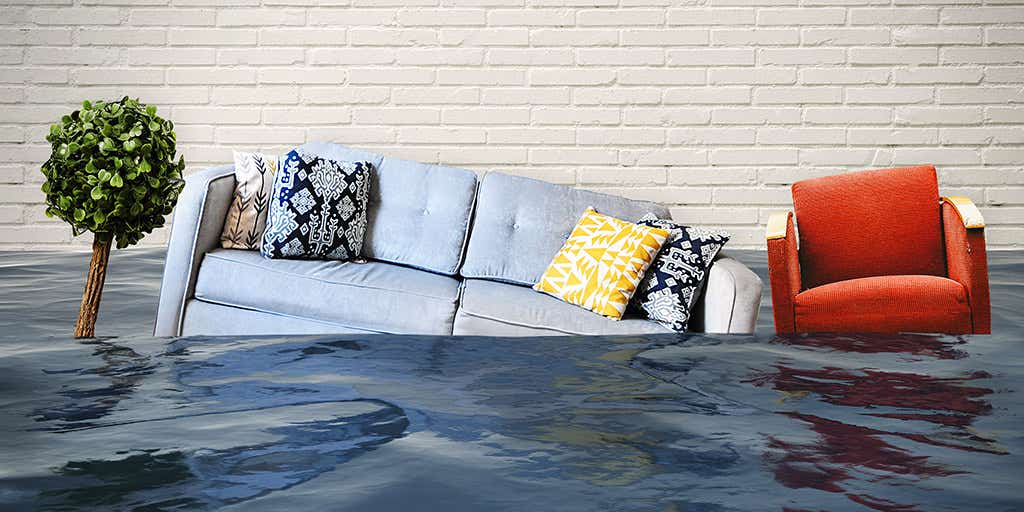
Contents insurance covers the cost of replacing items in your home if they're damaged, lost or stolen. This might be due to events like theft, fire or flood. Contents insurance protects a wide variety of items in your home, such as furniture, electronics and clothing.
Contents insurance is different from buildings insurance, which covers the structure of the house itself rather than the items inside. Contents are the things you'd take with you if you moved house, and buildings insurance is for the structure you'd leave behind.
You can get contents insurance as a standalone policy or as part of a combined home insurance policy. A combined policy protects both the home's structure and the contents inside. A combined policy can often be cheaper than buying two separate policies.
What's covered by contents insurance?
Contents insurance will typically cover the following items:
Furniture: Beds, sofas, wardrobes, drawers, chairs and tables.
Electricals: Laptops, TVs, games consoles, DVD or Blu-Ray players and tablets.
Kitchen items: Kettles, microwaves, toasters, cutlery, plates, pots and pans.
Entertainment: DVDs, CDs, books, video games and vinyl.
You can also cover:
Curtains
Carpets
Money in your home
Garden contents, including plants
Frozen and chilled foods, if your fridge or feezer breaks down
An unexpected event is a sudden, unforeseen incident that's out of your control. The types of events covered typically include:
Fire
Flood
Theft
Vandalism
Natural disasters
Some specific items may have special rules. High-value items and garden items may not be included in a standard contents insurance policy. You may need to list any high-value items separately to ensure you've got enough cover should you need to make a home insurance claim.
You might also need to take out personal possessions insurance to cover items taken outside the home. You might need this if you regularly take expensive items outside your house with you, like a laptop or phone.
What isn't covered by contents insurance?
Contents insurance covers items for unexpected, unforeseen events. The following won't normally be covered by this type of policy:
Wear and tear: Any damage caused by general wear and tear won't be covered.
Damage caused by pets: Damage from pets chewing, scratching or tearing furniture won't be covered in a standard policy.
Theft from an unlocked home (unforced entry): A claim may be denied if your home wasn't secure at the time of the theft.
Loss or damage if your home is left unoccupied: Most policies don't cover loss or damage if your home is left unoccupied for a certain length of time. This is usually over 30 days.
Damage caused by a computer virus: Some policies won't pay to repaire or replace a laptop or computer if it's damaged by a virus.
Do you need contents insurance?
Contents insurance is not a legal requirement. But it provides a financial safety net to replace your belongings in a worst-case scenario.
If you rent, your landlord might insist that you have cover in place as part of your tenancy agreement. Though it'll be your landlord's responsibility to arrange buildings insurance.
If you want home insurance as a student, you can buy student contents insurance. This is a type of contents insurance policy that protects your items while you're away at university. A parent's home insurance policy is often too limited and doesn't cover many of the unique risks that come with student living.
For homeowners buying a home insurance policy, you may want to consider buying a combined policy. This includes both buildings and contents insurance, and it can often work out cheaper to buy both types of coverage together as a single combined policy.
Contents insurance is a worthwhile option if you wouldn't be able to afford to replace your items if they were lost, stolen or damaged. But it can also have disadvantages. Having to pay extra for items taken outside of the home, as well as high-value cover, can make the overall cost expensive.
How much contents cover do you need?
The amount of contents insurance you need depends on what's inside your home. It's important to accurately calculate the value of your possessions so you aren't paying too much or too little for cover.
One of the best ways to work out the value of your possessions is to use a room-by-room inventory method. Walk yourself through each of the rooms of your home, jotting down the cost of your belongings in each.
You can use an online calculator tool to make the process even more seamless.
New for old cover
Many home insurance policies will offer to replace your contents on a new-for-old basis. This means they'll replace a lost or damaged item with a brand new one.
If the exact item isn't available, your insurer should pay out for you to buy a new, similar model.
Items like clothes, bedding and curtains are usually excluded from new-for-old cover. This is because they're more prone to wear and tear than other items.
Some policies may deduct the cost of wear and tear when they pay to replace the item. This is known as indemnity cover.
What about high-value items and personal possessions?
A single-item limit is the maximum amount an insurer agrees to pay for one item, usually around £1,500. Though some policies may offer a higher limit. Items worth more than this are classed as high-value and will need to be listed separately on your policy because their value won't be covered by standard contents insurance.
These are some of the items that might be classed as high-value:
Jewellery
Art
Watches
You'll want to make a list of all the valuables you want covered before looking for a policy. Some insurers may ask for proof of value, especially for jewellery. This might be receipts, invoices, or bank statements.
Most policies also set a total valuables limit. This is the maximum you can claim to cover several high-value items together. When you take out a contents insurance policy, you'll be asked for the total sum of your high-value items, or what percentage of your total contents is made up of high-value items. For example, 30% of the total contents sum insured might be valuables.
So, if your total contents cover is £50,000, £15,000 of this would cover valuable items.
For items take outside the home, you may want to consider personal possessions cover. This is an optional extra that can protect items like phones, watches, laptops and jewellery.
Optional extras to enhance your policy
If standard contents insurance isn't enough, there are optional extras that can tailor your policy to better suit your needs. Let's take a look at some of the add-ons:
Accidental damage cover: This can help you if you spill wine on a carpet or knock over a TV, for example.
Personal possessions cover: This protects your belongings when they're taken outside the home, like jewellery and mobile phones. Most policies will cover you anywhere in the UK and if you go abroad. This can sometimes be limited to certain countries though, so always check the terms on your policy documents carefully.
Home emergency cover: This will provide cover for emergencies in the home, like a boiler breakdown.
Legal expenses cover: This helps pay for legal costs related to employment or contract disputes and neighbour disagreements.
Bicycle cover: Most standard contents insurance policies won't include bikes kept outside the home. However, some policies let you protect your bicycle if it's locked up in your garden or outside the house.
These additions will increase your premium, but can provide a higher level of protection.
How to get the right contents insurance policy for you
The best way to find the right contents insurance policy is to shop around. Comparing policies with money.co.uk can help you find the best deal, ensuring you get enough cover for your belongings.
It's important to provide accurate information when getting quotes. So, make sure you double-check that the details you've given are up-to-date and you've accurately worked out the value of the contents in your home.
Protect your home and belongings for less by comparing home insurance policies to cover a range of property types and individual circumstances.
About Imogen Bland
Imogen has worked in marketing since graduating university. With three years of hands-on experience in the insurance industry, she's the motor, home and lifestyle insurances expert at money.co.uk.
Imogen uses her extensive knowledge of insurance products to help people confidently navigate their options. She believes finding the right coverage shouldn't be a headache, and her primary mission is to break down complex policies into clear, actionable advice that results in real savings. Her goal is simple: to help you save money.
View Imogen Bland's full biography here (opens in a new tab) or learn more about our editorial policy (opens in a new tab)