Can home insurance cover subsidence?

Most standard home insurance policies provide cover for subsidence. While it's usually included, subsidence can still be a complex and costly issue for homeowners.
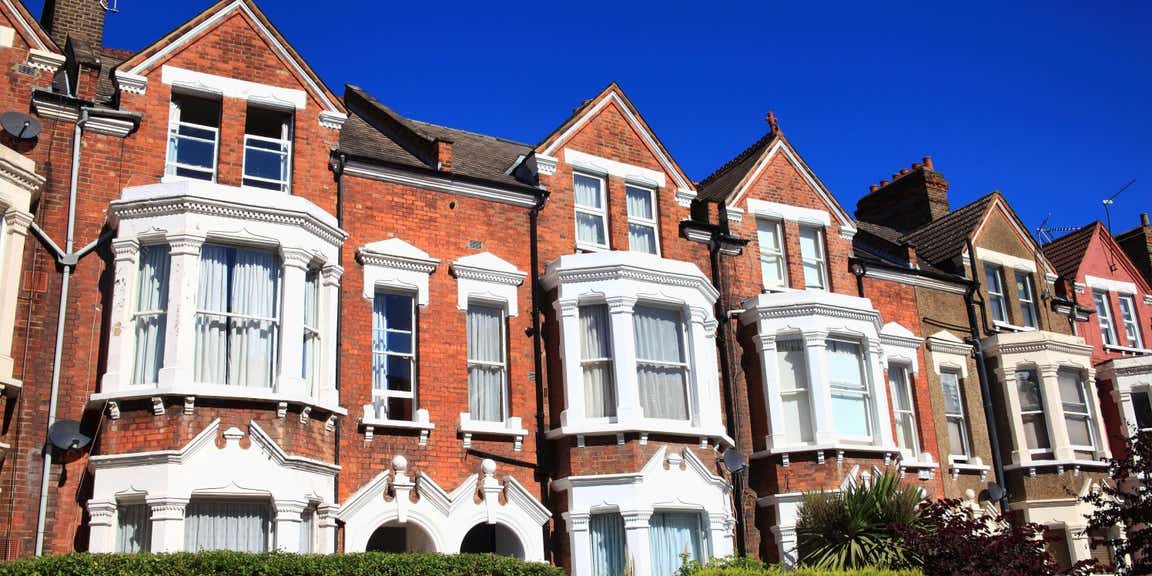
It’s important to know the signs of subsidence and understand what your policy covers.
We’ll explain what subsidence is, how to get cover, and what to do if you need to make a claim.
What is subsidence and what causes it?
Subsidence is the gradual sinking of the ground beneath a building. Over time it can cause major damage to your property as it begins to pull its foundations down.
Some of the signs of subsidence damage include:
Cracks in walls: This is often seen around doors and windows.
Sticking or misaligned doors and windows: These are often difficult to open and close.
Creasing or rippling wallpaper: Creasing, rippling, or tearing at wall and ceiling joins, not caused by damp.
Gaps in the skirting boards: The skirting board separating from the wall or floor.
Changes to the floors: Subsidence can cause sagging, sloping, or uneven flooring.
Subsidence is commonly caused by:
Leaking drains or pipes: Leaks can saturate the soil around a building's foundations, causing it to shift and the ground to sink.
Clay soil shrinkage: Clay soil is another common culprit for subsidence, as it shrinks during long, dry periods due to moisture loss.
Trees: Clay soil shrinkage is worsened by nearby trees that absorb water.
Drainage problems: Blocked drains or overflowing gutters can cause water to pool around the property. Over time this can weaken the ground beneath your home, leading to subsidence.
If you make a claim, your insurer will send a surveyor to diagnose the exact cause of the subsidence.
You may have heard of the terms 'heave' and 'landslip' when people refer to subsidence. Heave is the upward movement of soil, often caused by waterlogged clay expanding. Landslip is the downward or sideways movement of ground on a slope, which can lead to instability.
Does home insurance cover subsidence?
Yes, most standard buildings insurance policies include cover for new, unexpected subsidence damage. It's usually buildings insurance that covers this, not contents insurance.
It's important to note that while buildings insurance tends to cover new subsidence damage, most policies will not cover pre-existing subsidence issues.
Contents may be covered if items were damaged as a direct result of building's subsidence.
What about insurance for a house that has had subsidence?
Getting home insurance for a house with pre-existing subsidence is more difficult and will likely require a specialist insurer.
Because the property is considered a higher risk, your insurance premiums will probably increase, and you will face a higher excess (the amount you pay towards any home insurance claim), typically starting at around £1,000 for subsidence claims.
The insurer may ask for structural engineer reports or a Certificate of Structural Adequacy before they can provide cover. This provides evidence that the subsidence issue has been fully resolved and the property is now stable.
Indemnity insurance for subsidence helps protect homeowners from the high costs of repairing subsidence damage. It can cover structural repairs to walls and foundations, and may also pay for temporary accommodation if your home becomes uninhabitable during repairs.
How do I make a subsidence claim on my home insurance?
To make a subsidence claim on your home insurance you'll need to do the following:
Document the damage: Take clear photographs of any cracks or structural issues. Make a note of when you first noticed them and whether they're expanding.
Contact your insurer: You should contact your insurer as soon as possible so that the claims process can begin. Don't attempt any major repairs before speaking to them, as this can affect your claim.
Professional assessment: Your insurer will usually organise for a loss adjustor or structural engineer to take a look at your property. They'll determine whether the issue is caused by subsidence, settlement, or heave.
Monitoring: The specialist may need to monitor the property over several months, sometimes up to a year. The loss adjustor will then report their findings to the insurer to assess the claim's validity and potential costs.
Claim outcome: If the claim is approved, your insurer will arrange for repairs to be done to the property. The extent of the work depends on the cause and severity of the damage.
If your subsidence claim is rejected, you can challenge the decision by gathering evidence and submitting a complaint to your insurer. If you still feel the outcome is unfair, you can take it to the Financial Ombudsman Service (FOS).
There are a number of reasons why a subsidence claim might be rejected. Let's take a look:
Poor maintenance: Damage that occurs from long-term leaks, lack of necessary repairs, or other neglect is not covered.
Normal settlement: Damage caused by the normal bedding down of a new building, or general shrinkage and expansion, won't be covered under your policy.
Other events: Your claim may be rejected if the damage is due to things like coastal or river erosion, or if it occurred during major structural changes or demolition to the property.
Pre-existing damage: If the property was already subsiding before the policy was taken out, the claim may be rejected if this wasn't declared to the insurer.
Not reporting promptly: Not reporting the damage immediately can lead to your claim being rejected, as insurers need to be informed within the timeframes specified in the policy.
What is a subsidence excess and how does it work?
A subsidence excess is the fixed, upfront amount you must pay towards a subsidence claim.
It's usually more expensive than a standard home insurance excess because subsidence repairs are costly and usually involve a one-off payment. Once you pay the excess, your insurer will cover the remaining repair costs.
A standard home insurance excess usually ranges from £100 to £500, whilst a subsidence excess typically starts at £1,000 or more.
The higher excess is designed to offset the high cost of repairs and serves as a financial deterrent for minor claims.
What are common exclusions to subsidence cover?
Damage to external features: Damages to driveways, patios, fences, and garden walls are often not covered unless the main part of the house is also damaged.
Pre-existing damage: Damage from wear and tear, poor maintenance (like leaks), or problems that occurred before your policy started may not be covered.
DIY incidents: Damage that occurs while you are making structural changes, repairs, or demolitions to your home is typically not covered.
Escaping water or oil: Leaks from fixed water or heating systems are usually excluded.
Faulty design or workmanship: Damage caused by faulty design, construction, or materials is often excluded.
It's always important to read your policy documents carefully, so you know exactly what's covered as well as what excess you'll need to pay.
Protect your home and belongings for less by comparing home insurance policies to cover a range of property types and individual circumstances.
About Imogen Bland
Imogen has worked in marketing since graduating university. With three years of hands-on experience in the insurance industry, she's the motor, home and lifestyle insurances expert at money.co.uk.
Imogen uses her extensive knowledge of insurance products to help people confidently navigate their options. She believes finding the right coverage shouldn't be a headache, and her primary mission is to break down complex policies into clear, actionable advice that results in real savings. Her goal is simple: to help you save money.
View Imogen Bland's full biography here or learn more about our editorial policy