Meet Helen: the founder making wholefood nutrition effortless

After being diagnosed with arthritis in her 30s, Helen Johnston retrained as a nutritionist and founded SUCSEED to make wholefood nutrition simpler, quicker, and easier to fit into everyday life.
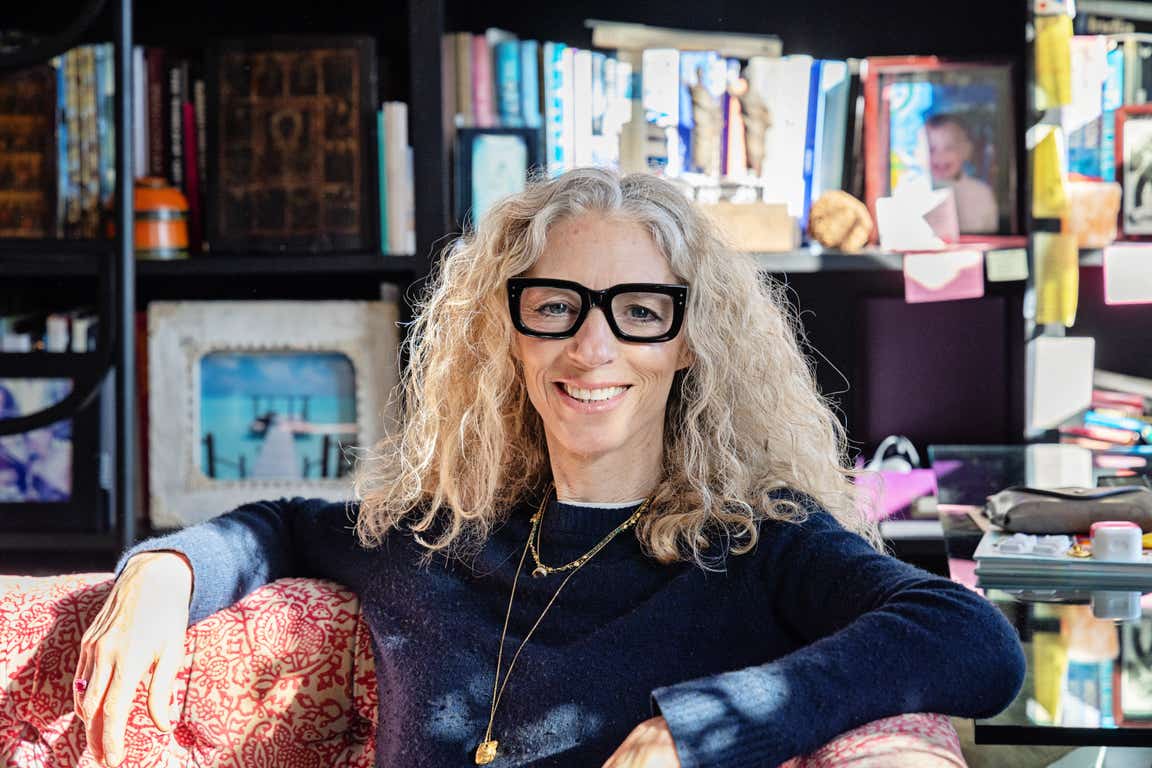
Helen created SUCSEED to help people boost their nutrition with simple seed and botanical blends that can be added to everyday meals.
Business name: SUCSEED
Industry: Food & wellness
Founded in: 2025
Top business products: Business banking, business insurance
Key learning: “Do your research thoroughly and start talking to potential customers and industry experts as early as possible.”
Most people want to eat more healthily, but knowing where to start isn’t always straightforward. After retraining as a nutritionist, Helen Johnston saw the same challenge time and again: people wanted to eat better, but without having to completely overhaul their diets or rely on handfuls of pills.
She founded SUCSEED to bridge that gap. Working with nutritionists, herbalists and food scientists, Helen has developed a range of seed and botanical blends that can be sprinkled onto everyday meals to support energy, focus, gut health and immunity, using ingredients sourced from UK regenerative farms and organic European growers.
Since launching in 2025, SUCSEED has secured listings with premium retailers, showing how a clear purpose, thorough research and persistence can help a young food brand stand out in an increasingly competitive market.
What inspired you to launch SUCSEED? What gap in the market were you determined to fill?
The original inspiration was more personal than commercial. In my mid-thirties I was diagnosed with psoriatic arthritis, an autoimmune condition that forced me to take a much closer look at my own health. At the time I was working as a magazine editor, living a fast-paced life and, like many people, assuming I could get away with running on adrenaline and convenience.
That diagnosis led me to retrain as a nutritionist. Through both my studies and my work with clients, I kept seeing the same problem. People wanted to eat better and take more control of their health, but they were overwhelmed by conflicting advice and short on time.
At the same time, I felt there was a growing divide between food and supplements. Consumers were either expected to completely overhaul their diets, or rely on an ever-growing collection of pills and powders.
SUCSEED was born from the idea that there should be a simpler middle ground: a genuinely nutritious food product, made from recognisable ingredients, that could be added to meals in seconds. We wanted to make better nutrition easier, not more complicated.
What was the moment you decided to turn SUCSEED from an idea into a business, and what gave you the confidence to take that leap?
There wasn’t one lightning-bolt moment, but there was a clear point when I realised this was more than an idea. I kept coming back to the same thought: if I, as a nutritionist, could see how useful this would be, and as a former editor could see how clearly it could be communicated, then perhaps there really was a business here.
The confidence came gradually. I researched the category, spoke to food scientists, herbalists, nutritionists, farmers, manufacturers and retailers. I took the idea to industry events long before I had a finished product. The more conversations I had, the more I felt there was space for a brand offering wholefood nutrition in a more modern, practical way.
Of course, eventually you have to move from researching to doing. I had savings, some support from family and friends, and a strong belief that consumers were ready for a product that could help them improve their health without asking them to overhaul their lives.
What were the biggest challenges you faced when developing and launching your products?
The biggest challenge was turning a simple idea into a product that worked commercially, nutritionally and operationally. It’s one thing to say “seeds and herbs in a pouch”; it’s quite another to build a range that tastes good, has a clear functional role, uses credible ingredients, meets regulatory requirements, has the right texture, can be manufactured safely and still makes commercial sense.
Sourcing was a major piece of the puzzle. I wanted quality ingredients, strong provenance and a supply chain I could stand behind. Manufacturing was another huge learning curve. Coming from media and nutrition, not FMCG, I had to learn everything from minimum order quantities and packaging lead times to margins, barcodes, shelf life testing and retailer expectations.
Launching a food brand is also expensive. Everything costs more than you think, takes longer than you hope and requires more resilience than you expect.
How have you handled the pressure and expectations that come with milestones like being stocked in Selfridges and Fortnum & Mason?
One of the biggest misconceptions about growing a consumer brand is that a major retail listing suddenly makes everything easier.
Being stocked in Selfridges and then selected by Fortnum & Mason’s Open Call programme were two of the proudest moments in our journey. The external perception is that you’ve made it. The reality is that those opportunities often create a whole new set of pressures.
In fact, the day we publicly announced our Fortnum & Mason win, our manufacturer contacted us to tell us they had been recording our stock incorrectly. We discovered we had almost run out of Gut Health, our bestselling blend.
On paper, it should have been one of the best days in the company’s history. Behind the scenes, we were urgently trying to work out how to stretch remaining stock across retailers, online customers and a series of major events that we had already committed significant money to attending.
Those are the moments that test you as a founder. You have to stay calm, communicate honestly with customers, protect key relationships and solve problems quickly. It was a reminder that retail success and financial security are not the same thing.
The reality of entrepreneurship is that your highest highs and biggest challenges often arrive on exactly the same day.
What financial products or funding have supported you in growing SUCSEED?
SUCSEED has been built through a combination of personal savings and money raised from family and friends. That early support was essential, because food businesses require significant upfront investment before you know whether the market will respond.
There are product development costs, packaging, manufacturing runs, certifications, photography, website build, events, sampling, marketing, PR and logistics, all before you get to the ongoing cost of growing sales. A good business bank account, proper accounting systems and the right insurance have also been important foundations.
We’re now moving into a fundraising round and speaking to angel investors. The next stage is about scaling responsibly: building stock levels, supporting retailers, increasing brand awareness and investing in growth without losing the quality and purpose that made the brand work in the first place.
What have been the most important lessons you’ve learned about building a consumer wellness brand?
The most important lesson is that trust matters more than hype. Consumers are more interested in health than ever, but they’re also sceptical, and rightly so. Wellness brands have to be very careful with their claims, their language and the promises they make.
Another lesson is that simplicity wins. You may have a lot of science, sourcing and formulation work behind the product, but the consumer needs to understand very quickly what it is, why it is useful and how to use it.
I have also learned that retail is relationship-driven. Buyers, shop owners and customers all want to know the story behind the brand. Being founder-led has been a huge advantage because I can explain exactly why SUCSEED exists and why we have made the choices we have.
Looking back, is there anything you would do differently?
I would start building the community much earlier. I waited until the product was almost fully formed before really taking people on the journey, but I now think founders should start sharing from the moment they have the idea.
People don’t just want the polished launch. They are interested in the messy middle: the testing, the setbacks, the decisions, the doubts, the small wins. Bringing people with you creates trust and gives you feedback long before you get to market.
If I were starting again, I’d document more of the journey from day one and involve potential customers earlier in the process.
What advice would you give to aspiring founders looking to launch a product in the health and nutrition space?
Do your research thoroughly and start talking to potential customers and industry experts as early as possible. Go to trade shows, founder events, food and drink talks, buyer sessions and sampling days. There are so many free and low-cost resources available, but you have to put yourself in the room.
Health and nutrition is an incredibly competitive space, but it’s also one of the most exciting growth areas. There’s a real shift happening. People want to improve their health and take more ownership of their wellbeing, but they’re still time poor and overwhelmed by information (not all of it accurate).
That creates an opportunity for brands that can simplify the message and offer a genuinely useful solution. Be clear about the pain point you’re solving. Make the product easy to understand and easy to use. And above all, build something with integrity, because consumers can sense when a wellness brand is just chasing a trend.
About Joe Phelan
Joe is an experienced writer, journalist and editor. He has written for the BBC, National Geographic, and the Observer. As a business expert, his work frequently spotlights the ventures and achievements of small business owners. He writes a weekly insight article for money.co.uk, published every Tuesday.
View Joe Phelan's full biography here (opens in a new tab) or learn more about our editorial policy (opens in a new tab)