What are my rights if I need to cancel my holiday?

Written by Imogen Bland, Insurances expert
10 Nov 2025
In this guide, we'll explain your rights if you need to cancel your holiday. We'll look at how refunds and compensation work, and where travel insurance fits in to help protect your booking.
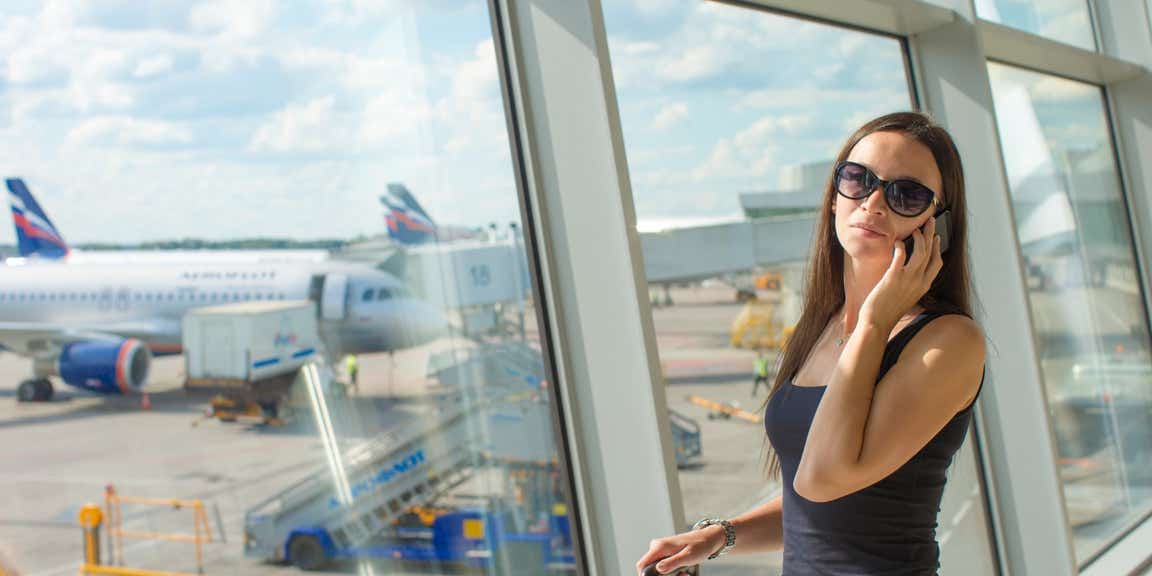
How do you cancel a holiday?
If you need to cancel a holiday, get in touch with your travel company as soon as possible. The sooner you act, the more options you're likely to have.
Take a moment to check your booking terms and conditions too. They'll explain any cut-off dates for cancelling, along with any potential fees and refund rules, so you know exactly what to expect.
It's always worth confirming everything in writing - keep copies of emails, messages, and any official responses. Having a clear record can save time and stress if anything needs sorting out later.
What happens if you cancel your holiday?
If you need to cancel your holiday, what you lose - if anything - depends on how your trip was booked and when you cancel.
Generally, the closer you are to your departure date, the higher the cancellation fee will be.
Here's a simple example:
Cancelling 90 days before your trip might mean losing just your deposit
Cancelling 60 days before could mean losing around 50% of your total cost
Cancelling any closer could mean losing most or all of what you paid
Under consumer law, cancellation fees must be reasonable and justifiable - never excessive. Always check your travel company's policy carefully, and don't hesitate to ask for a clear breakdown of any fees so you understand exactly what's being charged.
Can I get my money back if the holiday company cancels?
If your holiday company cancels your trip, you're usually entitled to a full refund. This is covered under the Package Travel and Linked Travel Arrangements Regulations 2018, which cover most package holidays.
In some cases, you may also be entitled to compensation for the inconvenience - unless the cancellation was caused by what's known as 'extraordinary circumstances'. These are situations completely outside of the company's control, like:
Natural disasters
Serious political unrest
Major safety risks
If that's the case, the company doesn't have to pay compensation, but they'll still need to refund everything you paid for the holiday.
So, if your trip gets cancelled, you shouldn't be left out of pocket. Just make sure eyou check your booking details and contact the company in writing to confirm when and how your refund will be processed.
What are your rights for different types of holidays?
Your rights depend on how you booked your trip - whether it's a package holiday or your booked your flights and accommodation separately. Let's break it down:
Cancelling a package holiday
If you booked a package holiday, you're protected under the 2018 Package Travel Regulations we mentioned earlier. This gives you solid rights if things go wrong.
If your travel company makes significant changes to your holiday - like changing flight times, swapping your hotel for a lower-standard option, or cancelling entirely - you can:
Accept the change
Choose an alternative holiday
Get a full refund
You also have the right to cancel if there are unavoidable and extraordinary circumstances at your destination. For example, a natural disaster like severe flooding, or major political unrest.
Cancelling flights only
When you've booked your flights, your rights depend on the airline's policies. If you cancel because your plans change, you usually won't get a refund unless you booked a flexible ticket or the airline offers a refund option.
However, if the airline cancels your flight, you're entitled to a full refund or an alternative flight. In some cases, you may also be eligible for compensation under Civil Aviation Authority (CAA) rules, particularly if the cancellation was within the airline's control.
Cancelling hotel bookings
Hotel cancellations depend entirely on the hotel's policy. Some bookings are fully refundable if you cancel within a certain timeframe, while others are non-refundable from the moment you book.
It's important to check your confirmation email or the hotel's website before making changes. If you booked through a third-party site, their terms may apply instead of the hotel's, so always read the fine print.
What about transferring your holiday to someone else?
You can often transfer your holiday to another person, especially if it's a package holiday.
Keep in mind:
Most travel companies charge an administration fee
The new traveller must meet the same booking requirements, such as passport, visa and health regulations
If someone in your group needs to drop out, contact the travel company as soon as possible. Acting early usually makes the process simpler and less costly.
Is there a cooling-off period when you book a holiday?
Unlike many other purchases, there is no legal 'cooling-off' period for hotels, flights and other travel services. Once a booking is confirmed and paid, you generally do not have the right to cancel for a refund within 14 days.
Some travel companies may offer a short grace period, often around 24 hours, where you can cancel or make changes without a penalty. This is not a legal requirement, and the availability and terms can vary.
If flexibility is important, it's best to check the booking terms and conditions before confirming. It's also worth buying travel insurance that covers cancellations immediately after booking.
Does travel insurance cover holiday cancellations?
Travel insurance can be a real lifesaver if you ever need to cancel your holiday. Most policies include travel cancellation cover, which can protect you against unforeseen events that are out of your control.
You can usually claim if you have to cancel due to things like:
Illness or injury (to you or a close family member)
A bereavement
Redundancy
Serious damage to your home (like a fire or flood)
If you're called up to do jury duty
It's important to remember that this only works if you buy a travel insurance policy that includes cancellation cover. Policies can vary, so check what yours covers and how to make a claim, including any time limits.
What protections do ABTA and ATOL provide?
If your travel company goes out of business, there are protections in place to help make srue your money, and your holiday, are safe. These are the Association of British Travel Agents (ABTA) and the Air Travel Organiser's Licence (ATOL).
Here's how they work:
ATOL covers package holidays that include flights. If your airline or travel company collapses, ATOL ensures you can get a refund or are brought home if you're already abroad.
ABTA protects other types of package holidays, like those involving rail, cruise, or coach travel.
Before you book, check for the ABTA or ATOL logo. This shows that your holiday is protected if anything goes wrong.
If you have a pre-existing condition, you can still get a quote through Money.co.uk. These conditions could include cancer, stroke, serious heart, respiratory and terminal conditions.
Some insurers might not cover you if you already have a serious medical condition, or if you have a number of conditions. Others might only offer insurance at a much higher price. If you're unable to find suitable cover, the Money and Pension Service (MaPS) has also set up a directory of insurers willing to cover customers with pre-existing medical conditions.
You can contact the Money and Pensions Service (MaPS) or you can telephone 0800 138 7777.
Make sure you get the best possible cover when you go away by comparing travel insurance deals. You can find the cover you need at the right price whatever your travel plans.
About Imogen Bland
Imogen has worked in marketing since graduating university. With three years of hands-on experience in the insurance industry, she's the motor, home and lifestyle insurances expert at money.co.uk.
Imogen uses her extensive knowledge of insurance products to help people confidently navigate their options. She believes finding the right coverage shouldn't be a headache, and her primary mission is to break down complex policies into clear, actionable advice that results in real savings. Her goal is simple: to help you save money.
View Imogen Bland's full biography here or learn more about our editorial policy