Meet Michelle: the Apprentice star who’s empowering women to succeed in business

After building a multi‑million‑pound property portfolio and launching IMS Property Group, Michelle Niziol now focuses on mentoring ambitious women through The Empowering Entrepreneur.
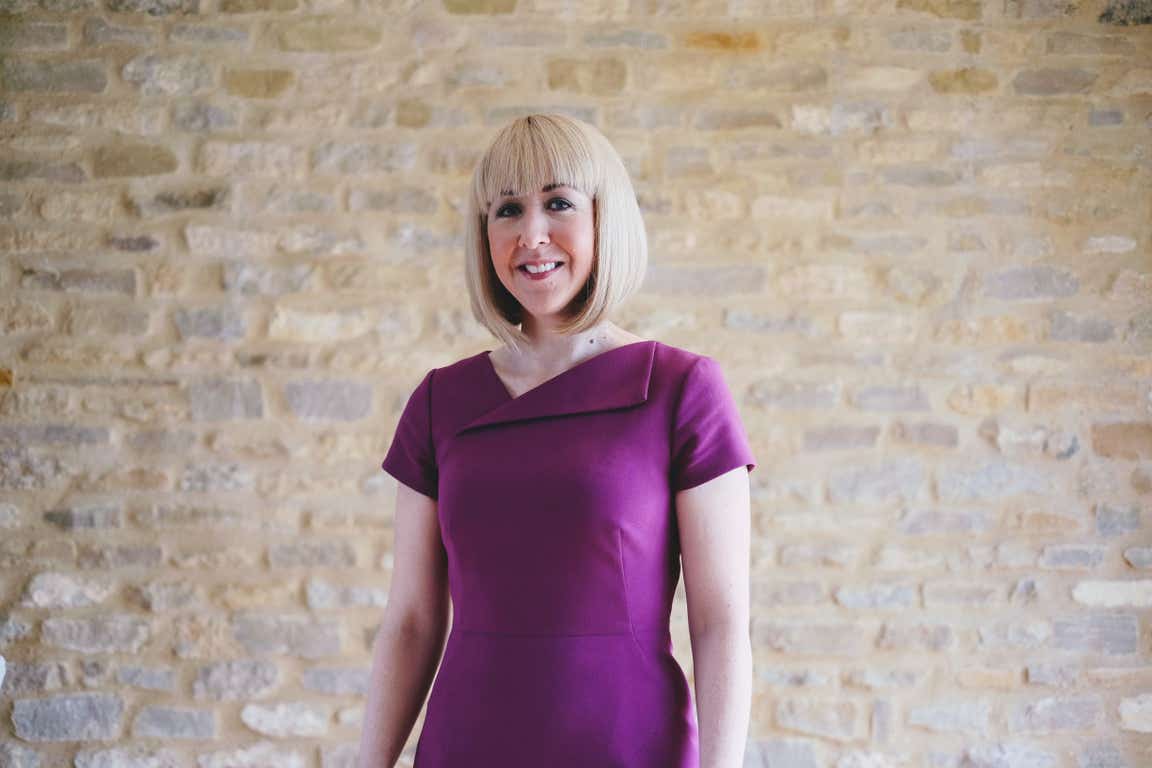
Having built numerous businesses from the ground up, Michelle Niziol is now giving women the confidence to achieve their entrepreneurial dreams.
Business name: The Empowering Entrepreneur
Industry: Mentorship
Founded in: 2019
Top business product: Business insurance, business loan and business credit card
Key learning: “Don’t wait for perfect conditions. Start with what you have. And don’t be afraid to fail. Every setback will teach you something that moves you closer to success.”
Michelle Niziol’s entrepreneurial journey began under extraordinary pressure. Facing homelessness at 17, she resolved to take control of her future.
By 18, she had bought her first property, sparking a path that would lead to a multi‑million-pound portfolio and the launch of IMS Property Group, a suite of businesses spanning mortgages, estate agency, lettings, and investment services.
Her appearance on BBC’s The Apprentice gave her a national platform and reinforced her belief that setbacks can be redirections.
Today, Michelle focuses on mentoring women through The Empowering Entrepreneur, helping them navigate the challenges of entrepreneurship and build success on their own terms.
What early experiences shaped your entrepreneurial spirit and determination?
At 17, I was made homeless. It was a pivotal moment that completely changed the course of my life. Instead of letting it define me, I made a promise to myself that I would create security and opportunity, not just for me, but for others. That experience gave me an inner resilience and drive. I was determined to build a life where I would never feel powerless again.
Can you share what motivated you to move from building a personal property portfolio to launching multiple property businesses?
I bought my first property at 18 and by 25 I had built a multi‑million‑pound portfolio. But I saw a gap: the process of buying, financing, and managing properties wasn’t joined up for clients. I wanted to change that. That’s when I created IMS Property Group, which now includes mortgage broking, estate agency, lettings, insurance, and investment services. I wanted to make what can be a stressful process smooth and empowering.
What were some of the biggest challenges you faced as an entrepreneur, and how did you overcome them?
Being a young woman in property wasn’t easy. I had to work twice as hard to be taken seriously. I also grew my businesses during a recession, which meant making some very tough financial decisions early on. What helped me overcome these challenges was a combination of determination, surrounding myself with the right people, and being willing to learn quickly from mistakes.
How did your experience on The Apprentice influence your career and approach to business? What did you take from that experience?
The Apprentice was a whirlwind, but it taught me a lot about resilience, thinking on my feet, and performing under pressure. It also gave me a national platform. People started to see me not just as a business owner, but as a thought leader. It pushed me to refine my vision, be bolder with my goals, and grow my businesses beyond what I initially imagined.
You’ve shifted focus recently to mentoring and empowering women through The Empowering Entrepreneur. What inspired that change?
After years of building businesses, I realised what truly lit me up was helping other women do the same without losing themselves in the process. Too many female founders feel isolated, burnt out, or like they’ve outgrown their circles. The Empowering Entrepreneur was born out of a need for genuine connection, mentorship, and a space where ambitious women could share ideas, collaborate, and feel understood.
Have any financial products helped you along the way?
Absolutely. In the early days, business loans were vital for scaling quickly and credit cards gave me the flexibility to manage cash flow effectively. Comprehensive insurance has been non‑negotiable. Peace of mind is invaluable when you’ve built something from the ground up. I also set up strong savings strategies from the start, which gave me security and options when big opportunities came along.
What are the most pressing inequalities or barriers you see today, and how can they be addressed?
Access to funding remains a huge barrier for female entrepreneurs. Too often, women are overlooked when it comes to investment or lending. We need more tailored financial products, greater representation of women in funding decision‑making roles, and mentoring schemes that don’t just inspire, but actively open doors.
What key message do you most want to leave with aspiring entrepreneurs? What do you wish you'd known when you were starting out?
Don’t wait for perfect conditions. Start with what you have. And don’t be afraid to fail. Every setback will teach you something that moves you closer to success. I wish I’d known that you don’t have to do it all alone. Find mentors, build a strong network, and lean on those who’ve walked the path before you.
About Joe Phelan
Joe is an experienced writer, journalist and editor. He has written for the BBC, National Geographic, and the Observer. As a business expert, his work frequently spotlights the ventures and achievements of small business owners. He writes a weekly insight article for money.co.uk, published every Tuesday.
View Joe Phelan's full biography here or learn more about our editorial policy