Meet Mark: the former postman transforming leaflet distribution with precision mapping and custom-built software

The Private Postman is reimagining how leaflets reach the right doors, combining deep industry experience with bespoke technology to deliver unmatched accuracy.
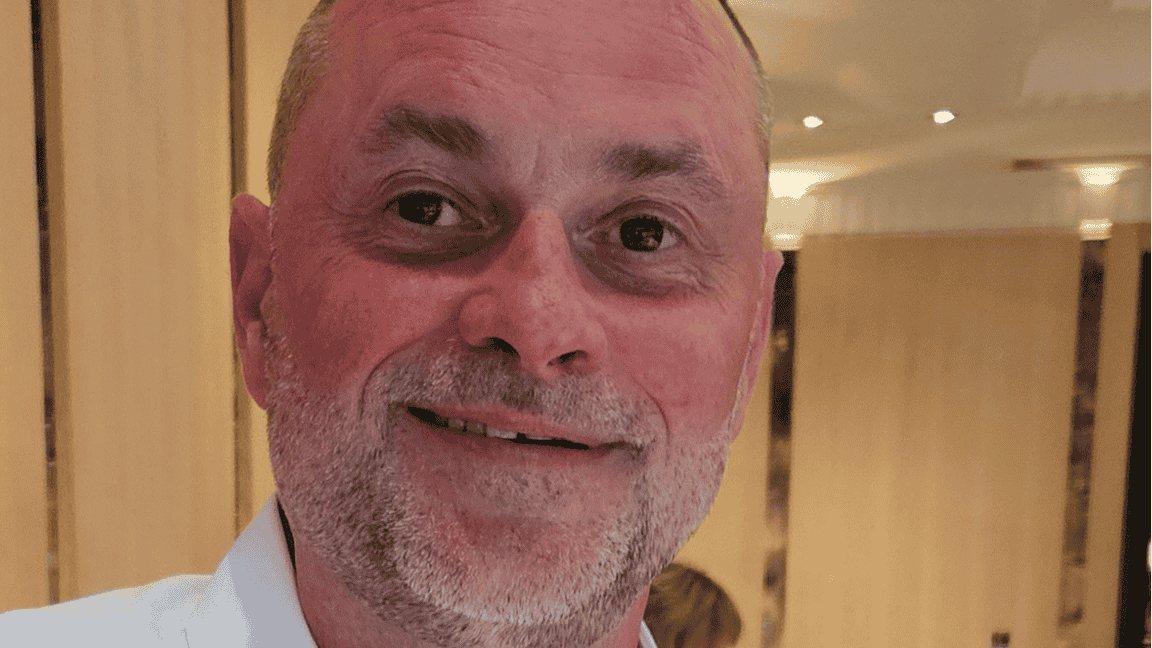
Mark Redmond is proving that even traditional industries can be transformed through smart, data-driven innovation.
Business name: The Private Postman
Industry: Leaflet distribution
Founded in: 2009
Top business product: Business savings account
Key learning: “Focus on building sustainably and managing risk carefully.”
Mark Redmond understands the realities of leaflet delivery better than most. After leaving Royal Mail, he took the knowledge he’d gained from years on the ground and used it to solve the challenges that had long frustrated him inside the system.
In 2009, he launched The Private Postman, a service that combines precision mapping with custom-built software to deliver leaflets more reliably than anyone else – a business that now turns over more than £850,000.
What inspired the founding of The Private Postman, and how did your experience at Royal Mail influence the business?
When I left Royal Mail, I brought with me a deep understanding of how to organise delivery walks efficiently at scale. But I also had firsthand experience of the limitations within the system and what tends to go wrong. That became the driving force behind launching The Private Postman: to solve those problems and build what we believe is the most reliable, effective leaflet distribution service in the industry.
When did The Private Postman officially launch, and what were the early days like?
Everything kicked off in 2009. In the early days, it was a true one-man operation – I was out on the delivery walks, answering calls, and managing sales all at once. It was challenging, but also incredibly rewarding. As demand grew, I began building a team, refining our systems, and steadily expanding the business from the ground up.
What makes your approach to leaflet distribution different from others in the market?
We’re a company that genuinely understands how challenging this job is. While some competitors make unrealistic claims, like saying their distributors jog or run while delivering, we deal in facts, transparency, and results. No gimmicks, no misleading promises.
We consistently achieve a 98% hit rate in ABC1 areas across London, thanks to our fully bespoke mapping systems. Unlike many others, we automatically exclude council estates when targeting ABC1 demographics. This alone can reduce unnecessary print and distribution costs by 30-40%, ensuring our clients reach exactly the audience they’re after.
However, what truly sets us apart is our custom-built leaflet distribution software, developed in-house since Covid. Now 80% operational, it powers our entire operation, connecting teams, managing routes, and providing clients with real-time updates.
Most companies rely on standard GPS tracking with a margin of error of 10–15 feet, which is practically useless in dense cities like London, where the average distance from pavement to front door is just 10 feet. Our system tracks with precision up to 12 inches, giving our clients absolute clarity and confidence.
What kind of clients tend to use The Private Postman’s services?
Our client base is diverse. We work with everyone from global tech platforms to independent florists and everything in between. Whether it’s launching a new product, announcing a local event, or building brand awareness, we tailor our distribution strategies to suit each client’s goals.
What are the key challenges in managing a high-quality leaflet distribution team in London?
Maintaining quality at scale in London requires more than just trust – it takes robust systems, rigorous training, and constant communication. Leaflet distribution might seem simple, but delivering consistent results across a complex urban landscape demands serious coordination and operational discipline.
What have been some of your biggest successes since launching?
One of the most rewarding milestones has been seeing our custom software come to life and then exceed expectations in real-world use. Looking back, it’s hard to imagine how we managed without it.
Another highlight was distributing over a million leaflets in a single week – a huge logistical challenge.
Have any financial products helped support the business along the way?
We use a business savings account to help manage cash flow and set aside funds for future growth – it’s a simple but very effective tool. For small businesses, my biggest piece of advice is to request payment in advance wherever possible. Even a single non-payment can have a serious impact, especially in labour-intensive sectors like ours where upfront costs are high.
Like many businesses, we also took advantage of a Covid loan during the pandemic, but overall, we’ve remained quite self-sufficient. We’ve always focused on building sustainably and managing risk carefully.
What’s next for The Private Postman?
We’re preparing to launch our software globally, with the goal of supporting national postal services and private distributors around the world. It’s an exciting step toward shaping the future of intelligent leaflet delivery on an international scale.
About Joe Phelan
Joe is an experienced writer, journalist and editor. He has written for the BBC, National Geographic, and the Observer. As a business expert, his work frequently spotlights the ventures and achievements of small business owners. He writes a weekly insight article for money.co.uk, published every Tuesday.
View Joe Phelan's full biography here (opens in a new tab) or learn more about our editorial policy (opens in a new tab)