Meet Karen: the mum-turned-founder behind a family-friendly food revolution

After spotting a lack of healthy, organic options for children, Karen O’Flaherty co-founded Pip Organic with her husband Patrick, growing a market stall into a nationwide brand stocked in major retailers.
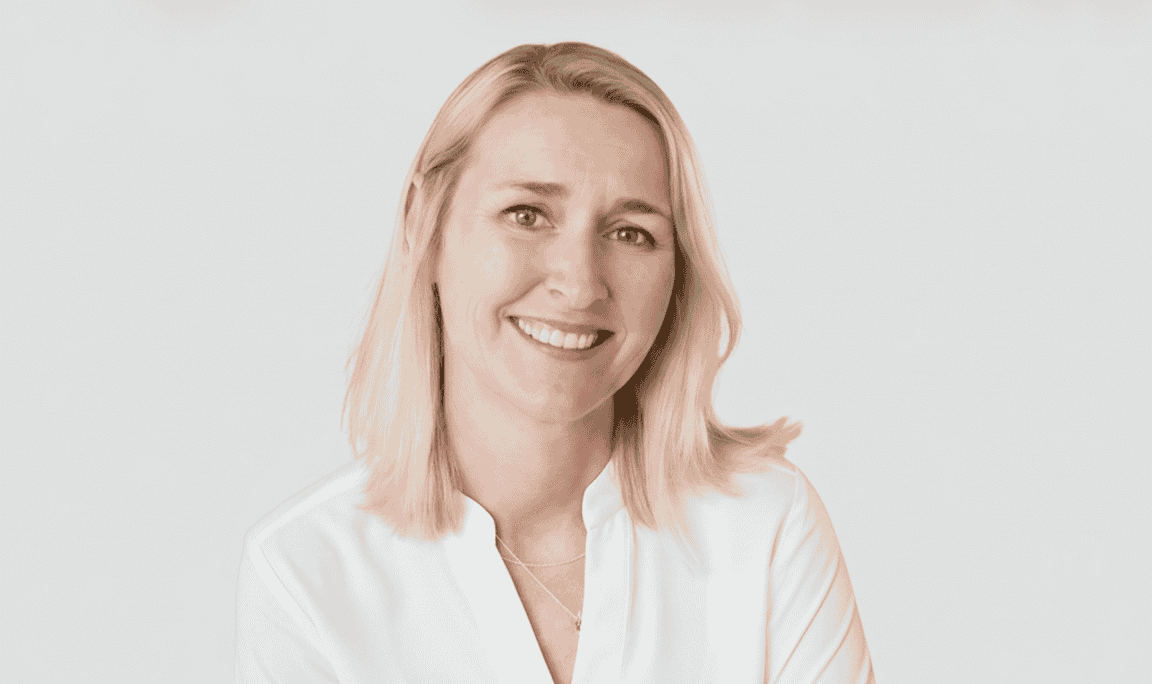
Now a fixture on supermarket shelves nationwide, Pip Organic has grown into one of the UK’s best-loved organic kids’ drinks and snacks brands.
Business name: Pip Organic
Industry: Food and drink
Founded in: 2013
Top business product: Business credit card and business savings
Key learning: “Sharing knowledge and experiences with others in the industry is invaluable.
What began as a small organic juice stall in Borough Market has grown into one of the UK’s most recognisable health-centric food and drink brands.
Pip Organic, co-founded by Karen O’Flaherty and her husband Patrick, now stocks drinks, snacks and ice lollies nationwide, all made with 100% organic ingredients and no added sugar or preservatives.
Frustrated by the lack of highly nutritious options for their own children, the pair set out to create products parents could feel good saying yes to.
Here Karen shares how they built Pip from scratch, navigated scaling without external investment, and stayed true to their sustainability-first mission while growing a purpose-led family business.
You started Pip Organic after running a market stall and struggling to find healthy drinks and snacks for your own children. What inspired you to turn that challenge into a full business?
It came from a very personal place. I’d spent years working in brand development within the food and drink industry and always wanted to have my own brand. Then I met my husband Patrick, went travelling, and we spotted a real gap in the market for organic juice in the UK.
We started experimenting and selling at Borough Market, and that’s really where the idea began to take shape. Once we had our children, the need became clear. We were constantly reading labels and struggling to find drinks and snacks we could confidently say “yes” to. That frustration became the motivation to build something.
We wanted to create accessible, organic drinks and snacks that made life easier for parents like us, and to help drive positive change in the industry. Pip Organic grew out of that desire to turn a real family challenge into a solution for many more families.
How did your previous experiences shape the way you approached creating Pip Organic from scratch?
I’d worked at a global marketing agency on large-scale projects for a wide range of organisations, from the NHS and health brands to major FMCG companies. Being exposed to so many different brands and business models gave me a strong understanding of how brands are built from the inside out.
When Patrick and I started Pip Organic, I continued consulting alongside it, which allowed me to apply what I’d learned (and was still learning) in real time. My background in branding also helped me make more informed decisions and stay focused on building something with purpose and clarity.
People and relationships have also been fundamental to our journey. I was very open with my employer at the time and was lucky to have a brilliant mentor who supported me. So much of building Pip has been about authentic connections, learning from others, building trust, and recognising that relationships really are everything when you’re creating a business from scratch.
Clean, organic, and sustainable products weren’t widely available when you started. How did you navigate product development and sourcing to create something truly different?
We were often figuring things out as we went along. There was no ready-made supply chain for what we wanted to create, which made product development slow and quite complex.
Sourcing was a major hurdle. Finding organic growers who could meet our standards, volumes and certification requirements took time, and we had to build those relationships from scratch. We chose to work in partnership with suppliers rather than taking shortcuts, which meant growth had to be very measured.
Product development brought its own challenges. We were determined not to use additives, sweeteners, or added sugar, even though they make products cheaper, quicker and easier to produce. That meant recipes took longer to perfect, especially as we scaled, and we had to accept delays to get the quality right.
Balancing all of this while growing the brand was tough, but we’ve taken things slowly and played the long game.
Starting as a small market stall to building a brand available nationwide must have brought challenges. What were the key hurdles in scaling Pip Organic, and how did you overcome them?
Right at the beginning, scaling fresh juice was tough as we had a three-day shelf life, so we had to manage production, logistics, and equipment carefully. We also scaled without external investment, so timing when and where to invest in infrastructure was critical.
Retail growth is, and was, another hurdle. Securing listings takes time and patience, and you have to be ready when opportunities arise. Naivety actually helped us: it made us question assumptions, listen to customers, and refine products through feedback and sampling.
Ultimately, staying adaptable, building strong relationships, and being deliberate about scaling at the right time allowed us to grow while staying true to our values.
What strategies have helped you balance quality, sustainability, and accessibility while keeping your products family-friendly?
Everything starts with listening. We listen to our customers, our children, and our own experience as parents. We created the Pip Parent Panel, a community of 250+ families who help us test ideas, share honest feedback and shape our products, making sure they’re fun, delicious and appeal to the whole family.
Sustainability will always be central to the decisions we make. As a B Corp, we partner with farmers and producers who share our values and approach. We focus on aligning our values with every operational decision, knowing that the legally binding standards of organic set the benchmark for quality and taste in the industry.
Of course, this comes with challenges, but it ensures our products are the best nature can make. We invest in the right processes at the right time, innovate within these strict standards, and scale thoughtfully so our products remain sustainable and family-friendly.
Looking back, what have been the proudest moments or milestones for Pip Organic as the brand has grown?
There hasn’t been just one moment that stands out – it’s more a collection of feelings and experiences that make us proud. There’s the thrill of first seeing our products on a shelf or spotting them in a shop or café, and that never gets old! I also feel proud when I see children enjoying our products out and about, knowing we’re helping make healthy, organic options accessible for families.
Of course, being recognised by the industry, and winning awards such as The Grocer New Product & Packaging Awards for our Apple Cherry Fizz and Apple Fizz, has been incredibly rewarding, but making parents’ lives easier is what makes me happiest.
What financial products or services have supported the business along the way?
Patrick and I have always self-funded Pip: we even crowdfunded our first van! Like many founders, we’ve made sacrifices to make Pip happen, and thinking outside the box on how we can make things happen without having a big budget.
We’ve used credit cards, savings and sold a lot of what we accumulated in our previous careers, like flats and cars, and this made us really focus on every penny we spent.
Early on, I was lucky to have an amazing mentor at the branding agency I worked at. I was able to have open conversations with them about wanting to start Pip, and work part-time while growing the business. That gave us some financial stability and freedom to self-fund without taking on external investment.
For other entrepreneurs looking to create products that challenge the status quo, what advice would you give about turning a personal passion into a successful, purpose-driven business?
There’s so much support out there now. Communities like female led groups such as Buy Women Built (BWB) have been incredible. Sharing knowledge and experiences with others in the industry is invaluable.
For me, the key is just starting, staying true to the hustle, being flexible, and making things happen. It’s very Pip, but it’s something I tell my kids and myself too: even in challenging times, where there’s rain, there’s always a rainbow at the end!
About Joe Phelan
Joe is an experienced writer, journalist and editor. He has written for the BBC, National Geographic, and the Observer. As a business expert, his work frequently spotlights the ventures and achievements of small business owners. He writes a weekly insight article for money.co.uk, published every Tuesday.
View Joe Phelan's full biography here or learn more about our editorial policy