Meet Keren: the student entrepreneur bringing inclusivity and dignity to campus vending

Keren Isaiah has balanced her university studies with building Kairos Unlimited, transforming one vending machine into a rapidly expanding business that meets real needs.
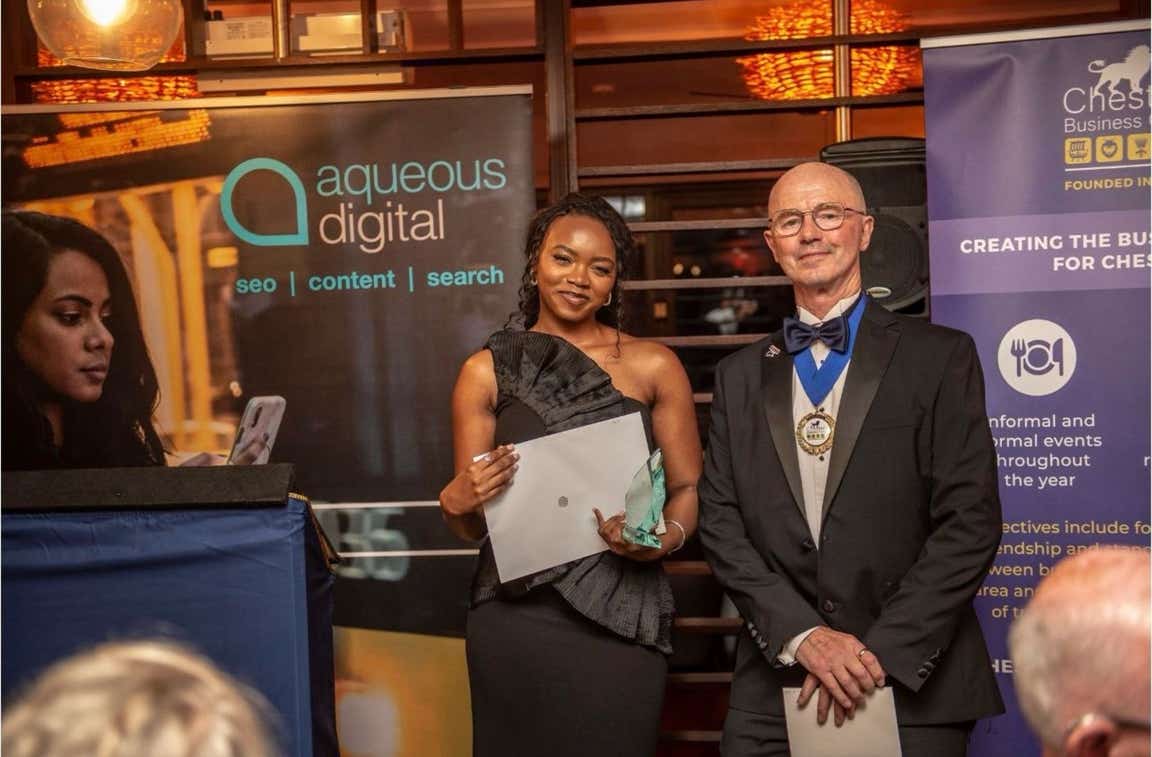
Kairos Unlimited provides culturally inclusive snacks and free sanitary products to students while championing accessibility and community.
Business name: Kairos Unlimited
Industry: Vending services
Founded in: 2025
Top business product: Business insurance
Key learning: “Build something that serves real people, not just yourself.”
Keren Isaiah won the Young Entrepreneur of the Year prize at the 2025 Chester Business Club Young Person Business Awards, impressing judges with her innovative approach to campus vending.
What began as a single machine at the University of Chester has become Kairos Unlimited, the first UK vending business offering culturally inclusive food, snacks, beauty items, and free sanitary products.
Keren’s goal is to expand across campuses nationwide, and eventually globally, while staying true to her values of inclusion, dignity, and community.
What inspired you to start Kairos Unlimited while still studying, and how did you identify the gap in the vending industry?
I’ve always been driven by a strong sense of identity, of knowing who I am and where I come from. Kairos came from a lived problem. After moving from London, one of the most diverse cities in the world, to campus life in Chester, I noticed how little the food and retail options reflected my culture, diet or everyday needs, despite the growing number of international students.
Research confirmed what I could already see: vending in the UK simply wasn’t designed with cultural inclusivity in mind. The gap felt obvious, and I didn’t want to wait until after university to fix it. If the problem existed now, so did the opportunity to solve it and serve the community I was part of.
My mum also played a huge role in that mindset. She was an entrepreneur, and although she has now passed away, her resilience and drive to build something meaningful has stayed with me. Kairos is as much about honouring her legacy as it is about meeting a real, practical need.
Can you talk about the meaning behind the name “Kairos” and how it reflects your mission/values?
The name “Kairos” is deeply personal to me. It’s a Greek word that means the “right” or “opportune” time – God’s timing, specifically. It’s inspired by Isaiah 60:22, which speaks about things happening when the time is right, even if they feel delayed.
My own journey hasn’t always followed a straight path, but I’ve learned to trust alignment and act when the moment feels right. That belief shapes everything we do at Kairos.
It’s not just about vending machines: it’s about creating spaces where students feel seen, included and represented exactly when they need it most. Every product and every interaction is intentional. We’re turning everyday moments into something meaningful, where purpose, dignity and faith come together in practical ways.
What challenges did you face launching your first vending machine, and how did you overcome them?
Launching the first Kairos vending machine came with plenty of practical challenges, especially securing the right location. I had to be relentless, travelling back and forth, following up constantly, and learning not to take no as the final answer. That tenacity made all the difference.
Finances were another hurdle. In the early days, I relied on my own savings and actively sought out grants and support. There were no shortcuts, just discipline and careful budgeting, as well as believing in the vision enough to invest in myself before expecting anyone else to.
Why was it important for you to include culturally relevant products and free sanitary items in your vending machines?
You can put anything in a vending machine, so why not use that space to prioritise care, inclusion and belonging?
For me, inclusion isn’t a buzzword: it’s essential. I wanted to build something I hadn’t seen before; something that reflected real people and real needs. Culturally familiar products can make someone feel recognised in a space where they might otherwise feel invisible. Providing free sanitary items was also non-negotiable. Access to basic hygiene shouldn’t depend on income – it’s about dignity, and about doing what should already be normal.
How do you go about selecting which products to stock, and how do you ensure they reflect the needs of diverse communities?
Product selection starts with listening. We run pop-up stalls, ask for suggestions and actively involve students in deciding what goes into the machines. I’m also part of the community we serve, so I constantly ask myself: what would I want to see if this were my campus? But there’s always a balance. I’d love to stock everything, but space and logistics mean we have to be selective. Every product is chosen intentionally, with the aim of reflecting as many identities, cultures and needs as possible.
You’ve already launched at the University of Chester and are in talks with other universities. What’s next for the expansion of Kairos Unlimited?
I always say Kairos is starting with vending, but not ending there. It’s a movement. Expansion means growing into new campuses and spaces while protecting the core values of inclusion, dignity and representation. As we scale, the most important thing is that Kairos doesn’t lose its heart. Growth should never dilute purpose.
How have students responded to the vending machines?
The response has been one of the most affirming parts of the journey. Beyond sales, it’s the emotional reaction that stands out. Students often tell me they feel seen. Some approach the machine almost laughing in disbelief, saying things like, “How is my Nigerian Fanta here in Chester at this price?” or “I never thought I’d see products like this on campus.”
That surprise quickly turns into joy and pride. It’s a reminder that representation isn’t abstract; it’s something people feel in everyday spaces. From the start, I’ve kept prices fair and accessible, because Kairos was never meant to be a luxury.
When students say we’ve brought them “a piece of home,” it shows the machines are doing more than offering convenience. They’re creating belonging. Being voted Equality and Diversity Advocate of the Year by students themselves meant a lot, because it came from the very people Kairos was built for.
What financial products have helped support the business?
Personal savings played a huge role in getting Kairos off the ground. I believed in the idea enough to back it myself first. Insurance was also essential, giving me protection and the confidence to operate professionally from day one. As the business grows, I’m learning more about loans and credit options so I can use external funding strategically and sustainably to support expansion.
In 2025 you won a Young Entrepreneur of the Year award. What does that recognition mean to you at this stage of your journey?
It means so much, genuinely. To have local business leaders recognise an idea I’ve been thinking about since 2022 is incredibly affirming. Being the first recipient also comes with a sense of responsibility; it motivates me to keep raising the bar and prove the impact Kairos can have.
The award has opened doors to mentoring and support from experienced business leaders, which has been invaluable at this stage of growth. It’s given me both confidence and accountability as we plan our next steps.
What advice would you give to other young people who have a business idea but don’t know where to start?
I always say: “Write the vision and make it plain.” Once you put your idea on paper, it stops being a dream and becomes something you’re accountable for.
Build something that serves real people, not just yourself. Start with what you have, invest in your idea, and don’t wait for perfect conditions. Growth rarely happens in your comfort zone, and a “no” often just means “not yet.”
Most importantly, lean on your community and stay rooted in your values. When your work has purpose, it’s much easier to stay disciplined and keep going when things feel uncertain.
About Joe Phelan
Joe is an experienced writer, journalist and editor. He has written for the BBC, National Geographic, and the Observer. As a business expert, his work frequently spotlights the ventures and achievements of small business owners. He writes a weekly insight article for money.co.uk, published every Tuesday.
View Joe Phelan's full biography here (opens in a new tab) or learn more about our editorial policy (opens in a new tab)