Meet Scott: the creative custodian of a 50-year-old Norwich photography studio

Scott McKay took the reins of Focal Point in 2024, aiming to preserve and grow the Norwich-based creative studio founded 50 years ago.
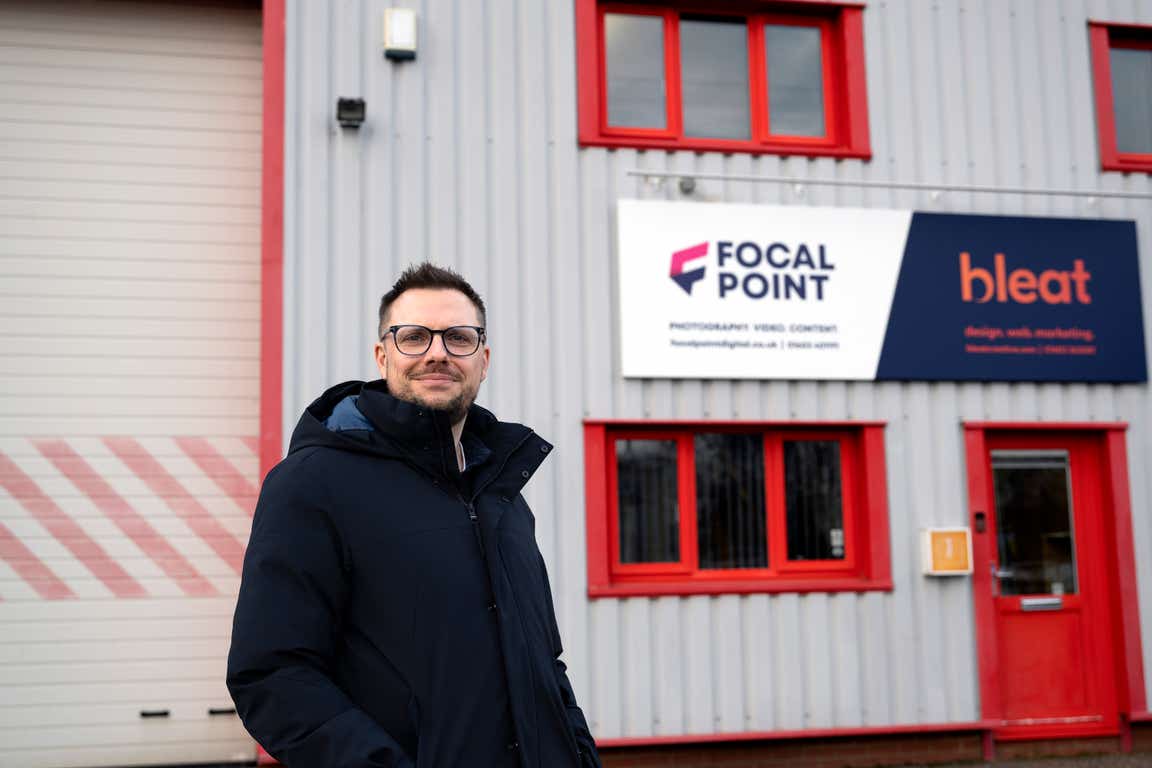
Scott is building on a Norfolk institution, retaining what makes Focal Point unique while expanding its creative offering.
Business name: Focal Point
Industry: Photography and video production
Founded in: 1976
Top business product: Business bank account
Key learning: “Transparency, especially during difficult periods, builds far more trust than trying to appear faultless.”
Focal Point has been a cornerstone of Norwich’s creative scene for nearly 50 years, delivering award-winning photography, video, design, and digital services for advertising and commercial clients.
When Scott McKay acquired the studio in 2024, he brought decades of experience running creative ventures and a deep respect for the business’s long-standing reputation.
Here’s how Scott is preserving the studio’s legacy while expanding its creative impact and supporting his team in a fast-changing market.
Focal Point has been a family business for 50 years. What does it mean to you personally to carry that legacy forward?
When former owner Craig [Middleton] came to me with the opportunity to purchase Focal Point back in 2024, the main consideration for both of us was ensuring the business legacy was carried forward from one family to another.
Focal Point was founded 50 years ago by Craig’s father, Ron. Now in my hands, I wish for the legacy of Focal Point to continue and eventually be passed on to my children, who are studying in the creative fields.
Craig was clear that the business needed to be understood. Having worked with him for over 25 years, I had a clear understanding of the business and its needs. The purchase was more than transactional; it was about a new custodian taking the reins. Our goal is for the business to continue to thrive beyond 100 years.
You’ve been running/working in businesses for around three decades. What lessons from that experience have most shaped how you approach challenges as a small business owner today?
Experience has taught me that very few problems are solved by panicking. Staying calm and making decisions based on evidence rather than emotion makes a huge difference. I’ve also learned that transparency, especially during difficult periods, builds far more trust than trying to appear faultless.
As a small business owner, resilience and adaptability matter more than perfection. Finally, sometimes you have to make decisions earlier than necessary. What I have learnt over the years is that it’s better to act early than to try and ride it out.
What do you enjoy most about running a creative service business like Focal Point? What aspects give you the most satisfaction day to day?
Turning clear brand thinking into work that delivers real impact. We start with strategy, helping clients understand who they are, who they are for and how they should show up. From there, photography, video, design and content bring that strategy to life in a way that feels authentic and effective.
The balance between strategic thinking, creative production and collaboration keeps the work energising. The most rewarding moments are when clients see the value of that joined-up approach, and when the team delivers work that they’re genuinely proud of.
Some of your staff have been with you for many years. How do you foster loyalty and maintain a positive team culture while keeping the business moving forward?
We celebrate the wins together and face the challenges together. There’s a strong sense of mutual support, and we’ve built an energetic, positive working environment that encourages creativity and ownership. The team is actively involved in pitching and tendering for new work, and we recognise that contribution through incentives and bonuses when new clients are brought into the business. That shared sense of responsibility and respect is central to our culture, and I believe it’s a key reason people choose to stay and grow with Focal Point.
How do you decide which opportunities to pursue or which projects to invest in, so the business can grow while staying true to its values and strengths?
We’re deliberate about where we invest our time and energy, focusing on projects we genuinely believe in and where we know we can make a meaningful difference. Each year we support a small number of charities on a pro bono basis, and we’re very selective about those partnerships.
Our growth is driven by working closely as a leadership team to identify brands and businesses that align with our values and strengths, and then proactively seeking those opportunities out. Most importantly, the client has to be the right fit. Trust is critical. When clients trust us to do what we do best, the results are always stronger. When relationships become overly controlled or micromanaged, creativity and execution suffer.
What has been a proudest moment or key success in your time running Focal Point, and why does it stand out to you?
Watching team members grow in confidence, skill and ownership is incredibly rewarding. I’m also proud and grateful that our existing clients have responded so positively to the change in ownership and to the expanded core services we’ve introduced, particularly brand strategy.
Seeing long-standing clients place their trust in us not just to deliver great photography and video, but to help shape their wider brand and marketing direction, has been a real affirmation that we’re moving the business forward in the right way.
What financial products or professional services have supported Focal Point?
For more than 20 years, Smith & Pinching have acted as both my personal and business financial advisers, so when the idea of purchasing Focal Point first arose, it was natural to turn to them for guidance. I worked closely with my IFA, Julian Bradshaw, to explore different options, including long-term planning around retirement, business continuity, and the policies needed to protect both my family and the wider team should anything happen to me.
A key part of that process was also ensuring the management buyout loan was properly protected, giving reassurance to everyone involved. Julian also supported the transfer of my pension arrangements into a structure more suited to business ownership.
Following completion of the purchase, the Smith & Pinching business team helped me introduce a better value workplace pension scheme and private medical cover to our employee benefits package. That was an important step that gave everyone vital peace of mind.
From a banking perspective, we keep things deliberately simple and well structured. We operate separate bank accounts for day-to-day trading, VAT and corporation tax, alongside a dedicated savings account for profit. This clear separation makes cash flow management far more straightforward and gives better visibility across the business. Finally, Funding Options by Tide played a key role in securing the MBO funding, managing the process smoothly from start to finish and enabling us to move forward with confidence.
How do you stay agile as a small business owner, ensuring the company can adapt to changes without losing its identity or quality of service?
Staying agile is about adapting early, but not so much that you dilute the business’s identity or compromise on quality. We’re careful not to chase change for its own sake or cut corners.
In an industry where technology quickly becomes outdated, we’ve moved from owning equipment outright to leasing, ensuring we’re always working with up-to-date, technically robust kit that delivers the right results for our clients.
From a people perspective, we stay intentionally lean. We only hire when it’s genuinely necessary and rely on a trusted network of freelance specialists during busier periods. This allows us to scale up when needed without significantly increasing overheads, while maintaining the quality, flexibility and service our clients expect.
About Joe Phelan
Joe is an experienced writer, journalist and editor. He has written for the BBC, National Geographic, and the Observer. As a business expert, his work frequently spotlights the ventures and achievements of small business owners. He writes a weekly insight article for money.co.uk, published every Tuesday.
View Joe Phelan's full biography here (opens in a new tab) or learn more about our editorial policy (opens in a new tab)