The Autumn Budget, one week on: What does it mean for small businesses?

Now that the dust has settled on John Healey’s first Budget, we look at the key announcements and what they could mean for small businesses across the UK.
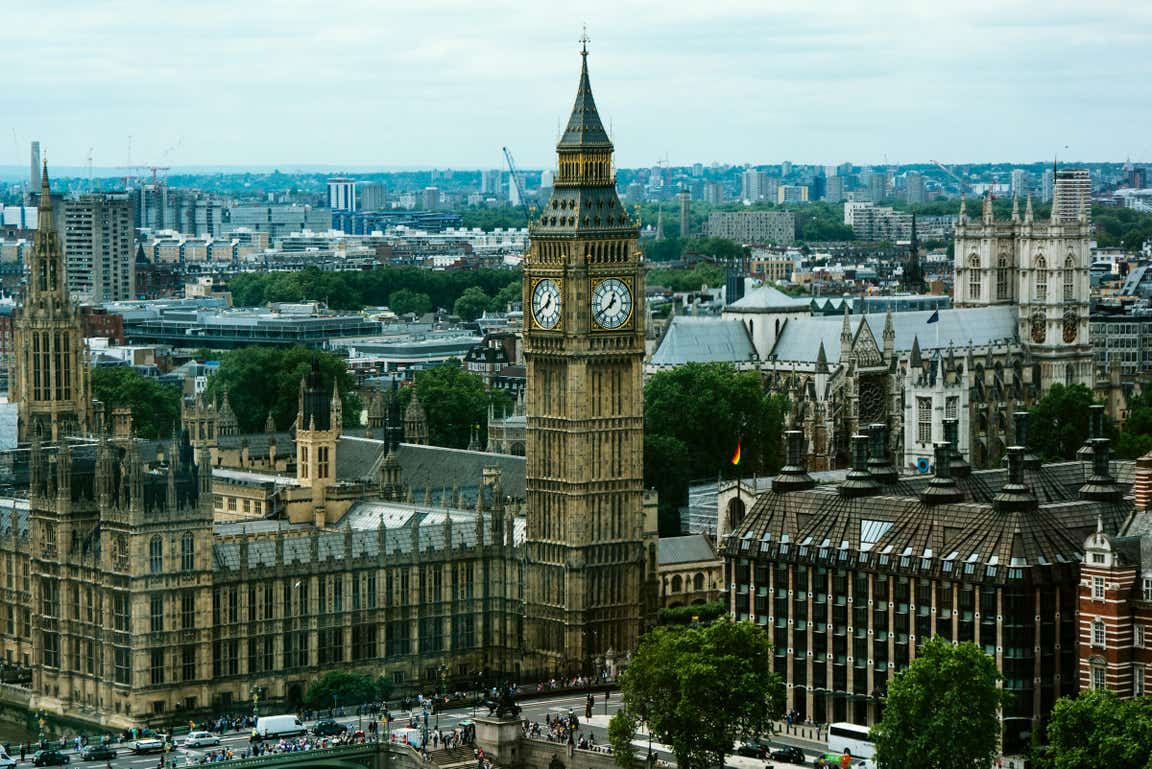
Despite the targeted support, many of the costs facing small businesses haven't gone away.
We are now a week on from the Autumn Budget, and small businesses have had some time to digest what the government’s latest announcements mean for them.
There was some welcome support, particularly for shops, pubs, restaurants and other businesses facing high business rates. But not every business is set to benefit, with rising employment costs and energy bills remaining concerns.
Here’s a closer look at what the Budget delivered, and where small business owners around the country may still feel the squeeze.
Business rates relief offers some breathing room
One of the biggest announcements was an expansion of business rates relief for smaller retail, hospitality and leisure businesses in England.
From April 2027:
Eligible businesses with a rateable value of £18,000 or less will pay no business rates, up from the previous £12,000 threshold.
Those with a rateable value between £18,000 and £21,000 will receive a partial discount.
Business rates bills for qualifying retail, hospitality and leisure premises will be capped at inflation for two years.
Pubs, social clubs and qualifying live music venues will receive a 35% discount for two years, up from 15%.
This could make a meaningful difference to smaller businesses in these sectors. However, manufacturers, construction firms and many other SMEs won't benefit from the expanded relief.
Tax and funding changes bring a mixed picture
The Budget also included several changes to business taxation and access to finance.
The tax-free trading allowance will rise from £1,000 to £3,000, allowing people to earn more from small trading activities before paying tax on that income. A new Young Entrepreneurs Allowance will also cover a year of living costs for young founders.
However, business owners planning to sell their companies could face a higher tax bill. The lifetime limit on gains eligible for the reduced rate of Capital Gains Tax will fall from £1 million to £500,000.
A new founders' relief offers a 10% rate on up to £10 million of gains for qualifying founders of high-growth businesses. However, most smaller businesses are unlikely to meet the criteria.
From October 2027, online marketplaces such as Amazon and eBay will also collect VAT on sales made by UK business sellers exceeding £90,000 in annual sales through their platforms. Personal sales won't be affected.
On funding, the British Business Bank will receive an additional £5 billion in capacity, taking its total to £30.6 billion. This includes £450 million for a new venture debt product and £165 million in additional funding for community lenders.
There was also a significant commitment to women-led businesses. The British Business Bank will double its planned investment in women-led businesses and funds from £100 million to £200 million. It has already committed more than £130 million this year, with a further £100 million planned for the next financial year. This will be deployed through investments in businesses and funds, rather than grants to individual founders.
The government will also develop two voluntary standards covering workplace culture and investment practices in technology, alongside a new scale-up programme for women founders launching in 2027. The measures come against a significant funding gap, with just 2p of every £1 of UK venture capital going to women-founded businesses.
Rising costs remain a concern
Despite the targeted support, many of the costs facing small businesses haven't gone away.
The National Living Wage for workers aged 21 and over will rise to £13.21 an hour from April 2027, meaning payroll costs will rise for many employers.
The Budget also offered little wider support with business energy bills. The British Industrial Competitiveness Scheme (BICS) electricity discount announced by the government is aimed at around 10,000 energy-intensive businesses, leaving most SMEs outside its scope.
Business groups and industry representatives have criticised the lack of wider support for small businesses. The Federation of Small Businesses (FSB) said the Budget did little to address high energy bills or make hiring more affordable. Its research found that 47% of small businesses expect revenues to shrink in the coming months, compared with 22% expecting growth.
Others have highlighted the limited support for businesses outside retail, hospitality and leisure, and the additional pressure that higher wages and employment costs will place on already tight budgets.
There was also some disappointment around the lack of targeted help for employers taking on additional staff, with some business representatives calling for temporary National Insurance rebates to encourage recruitment.
A mixed outlook for small businesses
The Budget delivered some significant relief, but its benefits are unevenly spread. For eligible high-street businesses, lower rates bills could make a real difference. For many other SMEs, however, the Budget offered less to ease the pressures they face.
About Joe Phelan
Joe is an experienced writer, journalist and editor. He has written for the BBC, National Geographic, and the Observer. As a business expert, his work frequently spotlights the ventures and achievements of small business owners. He writes a weekly insight article for money.co.uk, published every Tuesday.
View Joe Phelan's full biography here (opens in a new tab) or learn more about our editorial policy (opens in a new tab)