Meet Jo: the fashion entrepreneur on a mission to make supportive swimwear more stylish

Jo Davis has drawn on more than 25 years in fashion and business to create HELD, a luxury swimwear brand for women with larger cup sizes.
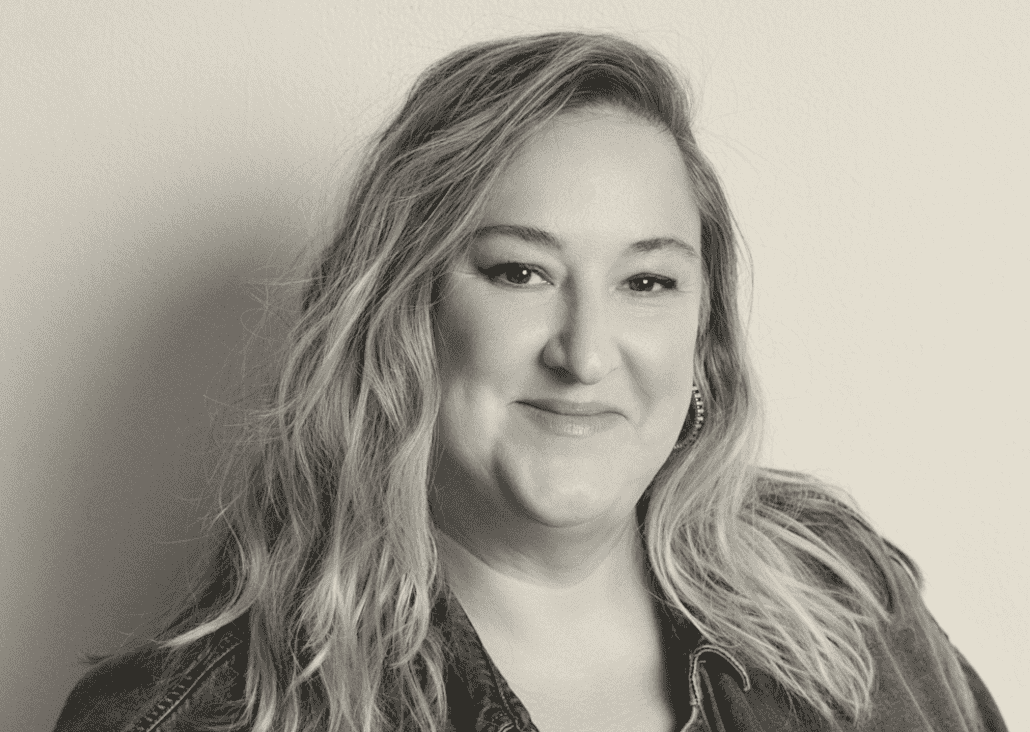
HELD began with a problem Jo knew first-hand: finding swimwear that was supportive, stylish, and right for her body.
Business name: HELD
Industry: Luxury swimwear
Founded in: 2025 (launched 2026)
Top business products: Business banking and accounting software
Key learning: “Build a great team around you and use people who are better than you in their areas of expertise.”
Jo Davis knows fashion. She has spent more than 25 years working in fashion and business, including as part of the Buying and Merchandising team at Topshop.
She is also a keen swimmer, but has long struggled to find swimwear that worked for her own body. The options tended to be either supportive but lacking in style, or stylish without the support she needed.
That frustration led her to create HELD.
The London-based luxury swimwear brand creates supportive swimwear for women with larger cup sizes, combining structured construction with a more considered approach to design.
We spoke to Jo to learn more about HELD’s development, the challenges of creating a kind of luxury swimwear, and what she has learned from building a business from the ground up.
What inspired you to leap into entrepreneurship, and how did you decide that solution-driven, luxury swimwear was going to be your focus?
HELD really came from solving a problem I had myself. I’ve worked in fashion and business for more than 25 years, and I’m also someone who absolutely loves swimming, particularly outdoor and wild swimming. As an H cup, I could never find a swimsuit that gave me the support I needed without looking overly structured or functional.
I wanted something I could feel genuinely confident in: a beautiful, luxury swimsuit that I would choose because I loved the way it looked, but that also gave me the support I needed.
Eventually, I realised that if I couldn’t find it, perhaps I needed to create it. That was really the beginning of HELD. The idea was simple: why should women have to choose between support and beautiful design? I wanted to create something that offered both.
What were your biggest challenges during the early prototyping phases, and how did you overcome them?
It was definitely much more complicated than I initially imagined. The challenge was that we weren’t simply designing another swimsuit: we were effectively bringing together the engineering of a really supportive bra with the design and construction of luxury swimwear. Getting those two elements to work seamlessly together wasn’t simple.
There was a huge amount of sampling, fitting, adjusting and starting again. Sometimes a change of just a few millimetres could completely alter the fit or support. We also had to think about how the whole swimsuit worked with the body, rather than simply putting a bra inside a swimming costume.
I wore the samples constantly myself, swimming in them, taking them on holiday and really living in them, because I wanted to understand how they performed in real life.
It took patience and a brilliant team around me, particularly our designer and manufacturing partners. There were moments when it would have been easier to compromise, but the whole reason for creating HELD was to solve this problem properly, so we kept working on it until we were happy with the result.
How did you find your manufacturing partners, and how do you maintain your quality standards?
Finding the right partners was vital because HELD was always intended to be a premium product. We weren’t looking for someone who could simply manufacture swimwear; we needed partners who understood technically complex garments and were prepared to work with us through a long development process.
We work with specialist European partners in Portugal and Italy, and those relationships have developed closely throughout the sampling and production process.
Quality comes down to being closely involved. We spend a lot of time on fit, fabric, construction and finishing, and we’re constantly reviewing and refining each element. With a product like ours, small details can make a significant difference to how a woman feels when she puts it on, so maintaining that attention to detail is really important.
What do you enjoy most about running HELD? What keeps you motivated day-to-day?
Without question, it’s hearing from women who put on one of our swimsuits and feel different.
We have a fitting space in Notting Hill, and some of the reactions we’ve had there have been quite emotional. We’ve had women, particularly in their 50s and older, tell us that they haven’t felt properly supported in swimwear for years. Seeing someone look at themselves differently in the mirror because they finally feel comfortable and confident is incredibly rewarding.
I also love building something. I’ve spent much of my career helping other businesses grow, so there is something incredibly exciting, and occasionally terrifying, about applying all of that experience to my own brand.
There are always problems to solve, which I actually enjoy. And because HELD began with such a clear purpose, I can always come back to that when things inevitably get challenging.
How do you want women to feel when wearing your swimwear, and how does HELD approach body confidence?
I want women to feel comfortable, supported and confident.
For me, body confidence isn’t about telling women how they should feel about their bodies. It’s about creating a product that allows them to stop thinking about their swimsuit and get on with enjoying themselves.
Support is a big part of that. If you’re constantly adjusting your swimsuit, worrying about your bust or feeling uncomfortable, you can end up thinking about your body all the time. When a swimsuit fits well and provides the support you need, you can almost forget about it.
That’s what I want HELD to give women: the freedom to swim, walk down the beach, play with their children, jump off a boat or sit by a pool and simply enjoy the moment.
What has been your proudest moment since launching the business?
Actually launching HELD was an enormous milestone. The development process was long, and there were plenty of moments when I wondered whether we would ever get there, so seeing real products that women could buy was very special.
But I think the moments I’m proudest of are often much smaller. It’s watching a woman try one on and seeing her reaction, or receiving a message from someone saying she finally feels supported in a swimsuit.
I remember wearing one of the later samples on holiday and having a moment where I realised that it had changed how I felt in swimwear. After such a long development process, that was when I recognised that we’d created what we set out to create.
What financial products or services have helped support HELD along the way?
So far, I’ve kept the financial side of HELD relatively simple. I use Monzo for everyday business banking and Xero for accounting, and I find the combination useful for keeping track of what’s happening in the business and giving me the information I need to make decisions.
My background means I came into HELD with a strong understanding of financial and stock planning, as this is something I’ve spent much of my career helping other brands with. For me, it’s important to understand the flow of the business rather than simply looking at sales.
Understanding product margins is fundamental, as is knowing how much I’m investing in stock, when I need to pay for it and when I can realistically expect to see a return on that investment. As a new direct-to-consumer brand, I also need to understand the cost of acquiring customers and how that affects the overall profitability of the business.
I’m also interested in balancing direct-to-consumer sales with wholesale. The margins are different, but working with established retailers can bring a different understanding of their markets and customers, as well as having implications for stock planning and cash flow.
As HELD grows, there may come a point when external investment makes sense. For me, the important thing will be understanding when that point comes, how much investment is needed and what it will enable the business to achieve.
Ultimately, I think the most important thing is having a clear understanding of how cash moves through the business, where you’re investing it and what is driving profitability.
What advice would you give to someone thinking of starting a direct-to-consumer luxury brand?
Make sure you’re solving a genuine problem or creating something that people really want. A beautiful brand isn’t enough on its own.
Secondly, understand your customer incredibly well. With DTC, you have a direct relationship with the person buying your product, so listen to them. Some of the most useful information I’ve had has come from simply talking to women during fittings and hearing what they like, what they don’t like and what they’ve struggled to find elsewhere.
I’d also say don’t underestimate how long things take, particularly when you’re developing a physical product. Build more time into your plans than you think you’ll need and protect your cash.
One of my biggest personal lessons has been to ask for help earlier. You don’t have to know everything simply because you’re the founder. Build a good team around you and use people who are better than you in their areas of expertise.
And finally, trust your gut. You’ll receive an enormous amount of advice when you start a business, and it can become quite overwhelming. Listen, learn and take advice from people you respect, but ultimately, it’s your business and you have to be prepared to make the decisions.
Starting HELD has involved taking plenty of risks, but creating something you genuinely believe in and seeing other people respond to it has made the experience incredibly rewarding.
About Joe Phelan
Joe is an experienced writer, journalist and editor. He has written for the BBC, National Geographic, and the Observer. As a business expert, his work frequently spotlights the ventures and achievements of small business owners. He writes a weekly insight article for money.co.uk, published every Tuesday.
View Joe Phelan's full biography here (opens in a new tab) or learn more about our editorial policy (opens in a new tab)